How Private Security Teams Complement Protective Services Officers for Maximum Safety

- By - Jaed SS
Safety is never just one layer. In busy offices, government buildings, and public spaces, keeping people and property secure requires teamwork. That’s why private security teams and protective services officers (PSOs) work together to create maximum safety.
Think of it like a two-tiered defense system. Private security patrols, monitors, and manages day-to-day risks. PSOs focus on high-level protection and sensitive operations. Together, they cover every angle from perimeter vigilance to emergency response.
This collaboration doesn’t just fill gaps. It makes security smarter, faster, and more human. Residents, employees, and visitors get both safety and peace of mind.
What Do Protective Services Officers Do?
A Protective Services Officer (PSO) is a trained professional responsible for high-risk protection and security in sensitive environments. They may work in government buildings, legislative facilities, or high-profile locations. Their duties often include:
- Monitoring threats to people and property.
- Providing close protection for VIPs or staff.
- Managing emergency situations alongside law enforcement.
- Ensuring compliance with security policies.
PSOs are highly trained, often equipped to respond to crises quickly, and skilled at working under pressure. But they can’t be everywhere at once. That’s where private security steps in.
How Private Security Complements PSOs
Private security teams serve as proactive deterrents and “extra eyes and ears.” Their visible presence, patrols, and monitoring help prevent problems before they escalate. By handling routine security tasks, they free PSOs to focus on high-risk threats and critical incidents.
Proactive Deterrence and Routine Coverage
Private security patrols lobbies, hallways, entrances, and sensitive areas. They manage access control and property protection, reducing risks of intrusion or vandalism. Their constant presence discourages potential troublemakers and keeps environments secure.
Intelligence and Early Detection
Security guards stationed at key points—gates, camera rooms, or reception areas—notice unusual activity early. They relay information to PSOs or law enforcement, enabling swift intervention before situations grow serious.
Emergency Response and First Aid
When emergencies occur like a fire, medical incident, or security breach, private security officers are often first on the scene. They assess the situation, start protocols, and provide immediate first aid if needed. PSOs then join for high-risk handling, ensuring a coordinated response.
High-Risk Environments
Some locations require tactical security teams. Here, private security works alongside PSOs to handle aggressive situations, manage crowds, and protect sensitive assets. Their complementary skills keep both people and property safe.
Benefits of a Combined Security Approach
When private security and PSOs work together, the results go beyond simple protection.
- Comprehensive Coverage: Private security covers broad surveillance, while PSOs provide targeted, close protection. Every angle is monitored.
- Reduced Strain on PSOs: Routine monitoring, entry checks, and administrative tasks are handled by private security. This frees PSOs to focus on high-impact duties.
- Better Information Sharing: Both teams communicate risks, incidents, and observations. This collaboration improves decision-making and response times.
- Cost-Effective Security: Using private security for routine tasks reduces the need for high-level officers to cover everything. It’s efficient and maximizes the security budget.
Key Factors for Effective Collaboration
For this partnership to work well, a few things are essential:
- Clear Roles: Everyone knows their responsibilities and boundaries.
- Open Communication: Information flows freely between teams.
- Mutual Respect: Both private security and PSOs recognize the value of each other’s work.
- Shared Goals: The ultimate objective is community safety, not hierarchy.
When these elements are in place, the partnership becomes more than just coverage—it becomes a proactive, intelligent system that protects people and property alike.
Why Communities Benefit
Communities, workplaces, and public spaces gain from this dual-layer system:
- Reduced Crime: Deterrence and proactive monitoring lower both property and violent crimes.
- Peace of Mind: Visitors and staff feel safer knowing multiple layers of security are watching over them.
- Quick Response: Emergencies are handled faster because private security and PSOs act together.
- Resource Efficiency: Police and PSOs focus on high-priority incidents while private security handles routine safety, maximizing effectiveness.
This partnership doesn’t just protect buildings—it protects people’s confidence, freedom, and daily life.
Final Thoughts
Maximum safety is never the work of a single person or team. It comes from multiple layers working together. Private security teams and protective services officers complement each other perfectly: one provides broad coverage and proactive deterrence, while the other delivers specialized protection and crisis response.
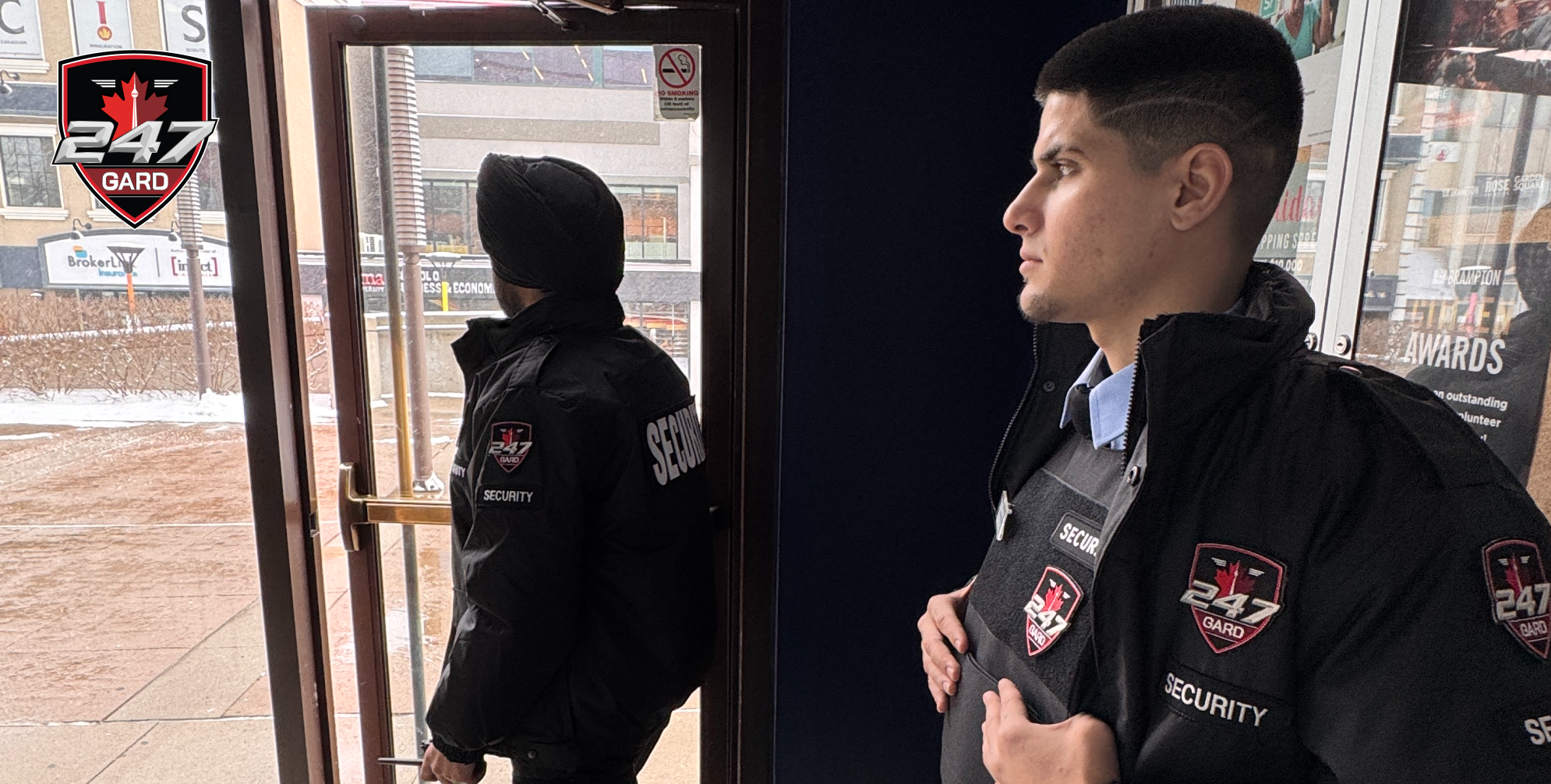
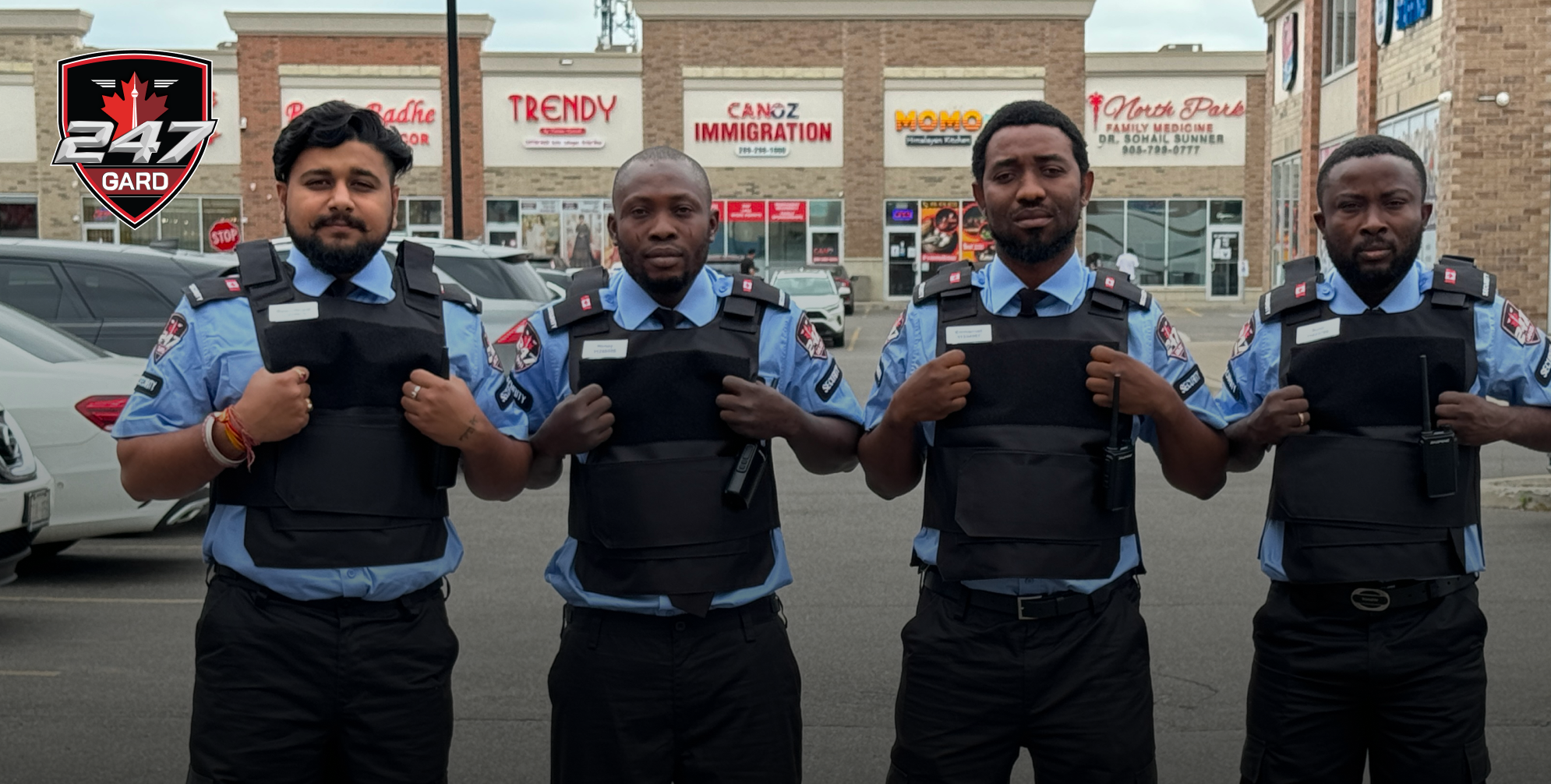
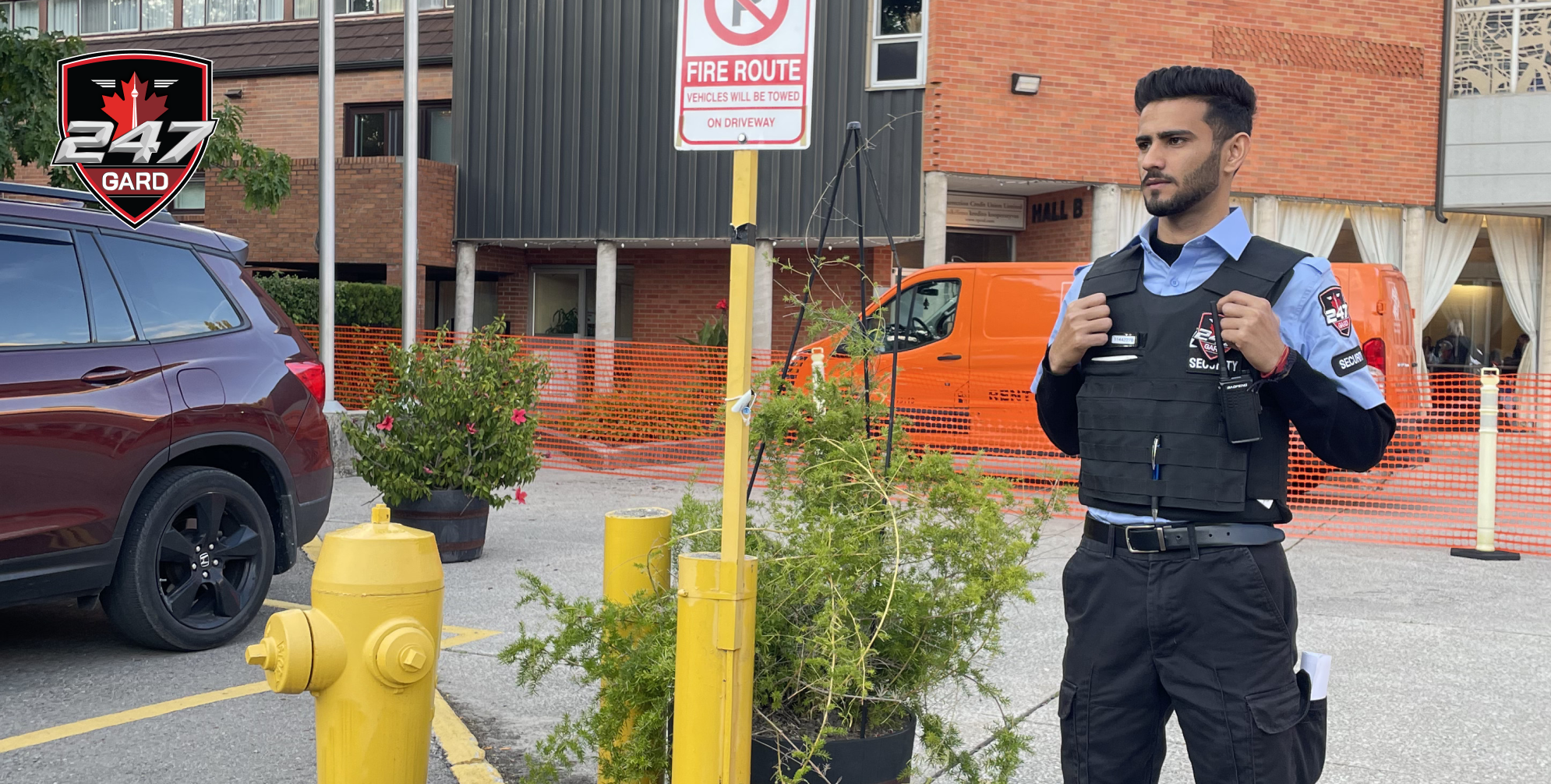
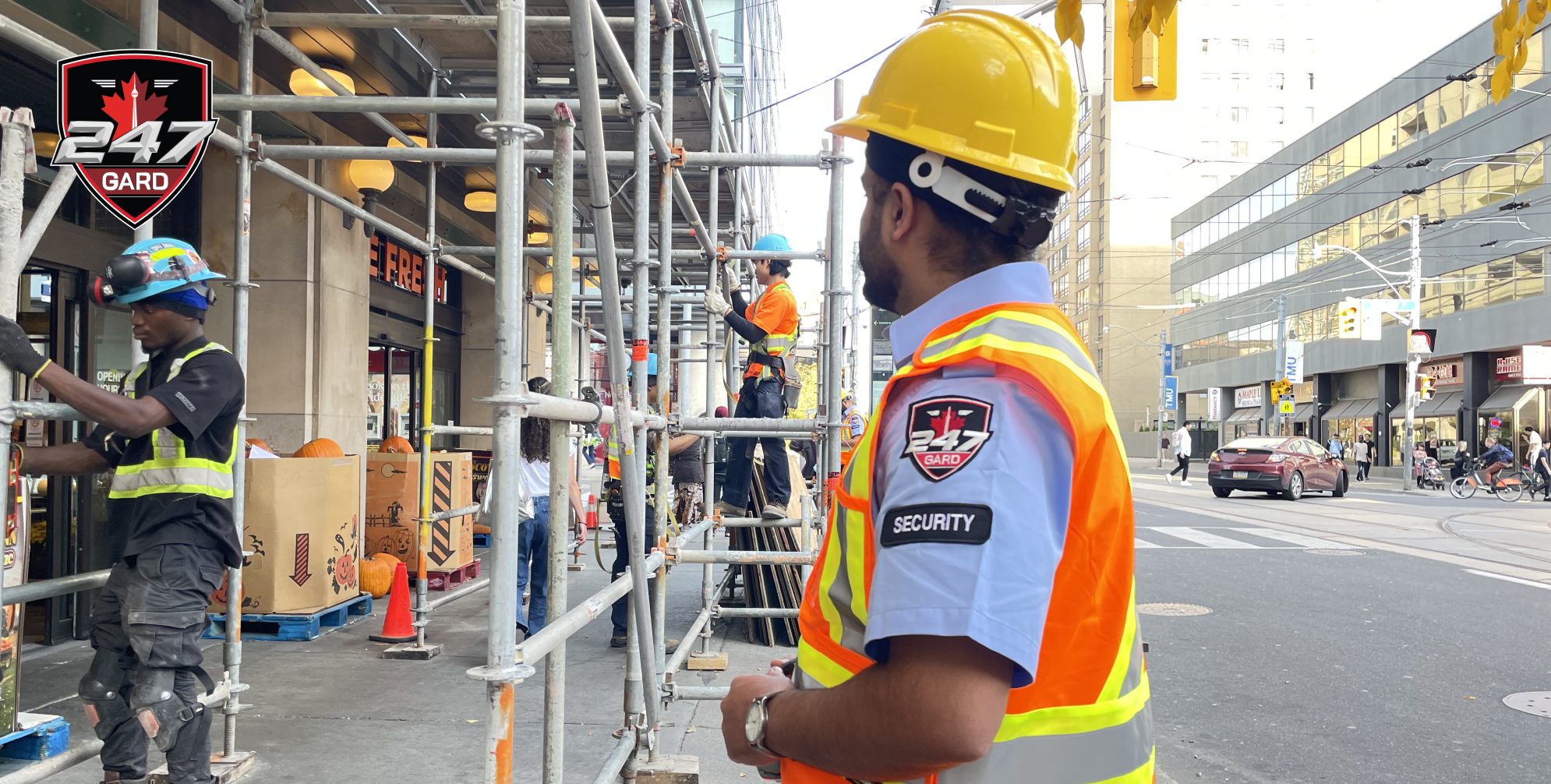
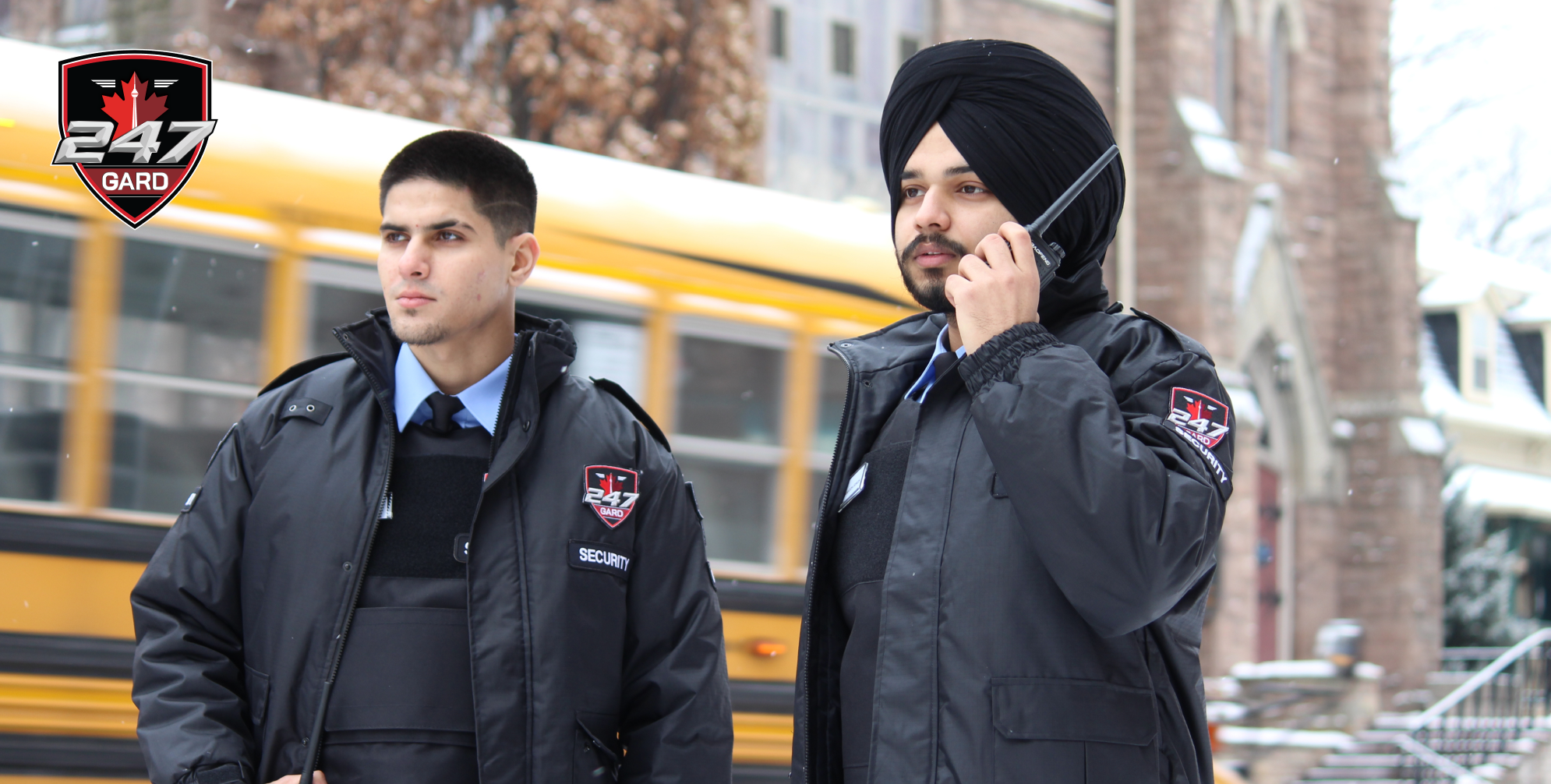
247 GARD ensures constant monitoring, proactive patrols, and immediate response to incidents. From managing access points to handling emergencies, our officers protect workplaces, public spaces, and residential areas every hour of every day. By acting as vigilant eyes and ears and coordinating with protective services when needed, we prevent risks before they escalate.
This multi-layered approach allows people to live, work, and move freely, confident that someone is actively looking out for their safety. Protection isn’t just a policy; it’s a constant, hands-on partnership, and 247 GARD keeps it real and reliable at every level.
Frequently Asked Questions
A Protective Services Officer (PSO) is a trained security professional responsible for safeguarding high-risk locations such as government buildings, transport hubs, hospitals, and public infrastructure. They are often uniformed and may be armed, depending on jurisdiction and role requirements.
PSOs handle critical security responsibilities including threat monitoring, emergency response, and close protection for staff or VIPs. They also enforce security policies, manage incidents, and coordinate with law enforcement agencies when necessary.
Unlike general security personnel, PSOs operate in sensitive environments and are trained in crisis management, defensive tactics, and legal enforcement procedures, making them essential for high-risk protection.
No, private security officers cannot replace police or Protective Services Officers. Instead, they act as a support system and force multiplier.
Private security focuses on routine tasks such as patrols, surveillance, and access control, while police and PSOs handle legal enforcement, arrests, and high-risk incidents. This division of roles ensures that trained law enforcement professionals can focus on serious threats while private security maintains day-to-day safety.
This layered approach improves efficiency, reduces response times, and strengthens overall security without overburdening public agencies.
Private security guards play a proactive role in maintaining safety across workplaces, residential areas, and public spaces. Their key responsibilities include:
- Conducting regular patrols to deter crime
- Monitoring CCTV and surveillance systems
- Managing access control and verifying credentials
- Responding to alarms and minor incidents
- Assisting with crowd control and visitor management
- Reporting suspicious activities to authorities
They act as the first line of defense, preventing risks before they escalate and ensuring a secure environment for people and property.
During emergencies, private security officers are typically the first responders on-site. They quickly assess the situation, initiate safety protocols, and provide immediate assistance such as first aid or evacuation support.
Once PSOs or law enforcement arrive, they take over high-risk operations, including threat neutralization, investigation, and legal enforcement.
This coordinated response ensures faster action, better communication, and reduced damage or risk, as both teams work together with clearly defined roles.
No, private security officers do not have the same legal authority as police. Their powers are limited and typically include observing, reporting, and managing security within private property or assigned areas.
However, depending on local laws, they may have certain rights such as:
- Detaining individuals under citizen’s arrest laws
- Conducting basic searches (with consent or policy compliance)
- Enforcing property rules and access restrictions
Police and PSOs, on the other hand, have broader legal powers including criminal investigations, arrests, and use of force under law.
Private security plays a crucial role in crime prevention through visibility and proactive monitoring. Their constant presence acts as a strong deterrent, discouraging theft, vandalism, and unauthorized access.
They also enhance safety by:
- Identifying risks early through surveillance
- Reporting incidents quickly to authorities
- Managing access to sensitive areas
- Supporting emergency response efforts
Studies and industry insights show that layered security systems—combining private security with public enforcement—can significantly reduce crime rates and improve overall safety.
A combined approach using private security and PSOs creates a multi-layered security system that is more efficient and reliable than relying on a single force.
Key benefits include:
- Enhanced Coverage: More personnel provide wider surveillance and protection
- Faster Response Times: On-site guards act immediately while PSOs handle escalation
- Better Resource Allocation: Law enforcement focuses on serious threats
- Improved Intelligence Sharing: Real-time communication strengthens decision-making
- Cost Efficiency: Routine tasks are handled without overusing high-level officers
This partnership ensures comprehensive protection, giving businesses, communities, and public spaces greater safety and peace of mind.