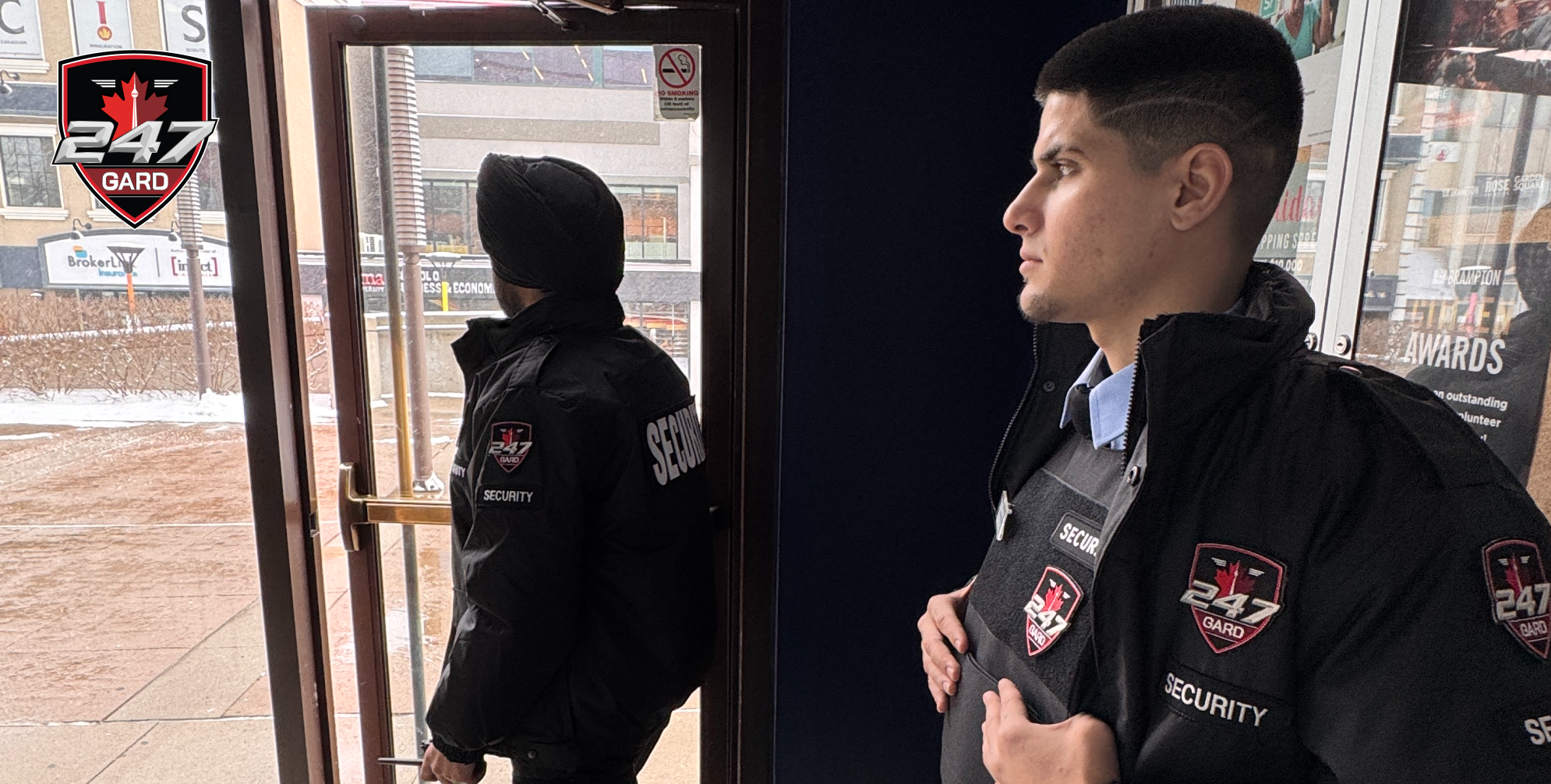
How Event Security Guards Confiscate Prohibited Items Safely
- By - Jaed SS

When you host an event, you already know that security is not just about standing at entrances or reacting when something goes wrong. You are responsible for hundreds or even thousands of people, each bringing their own expectations, emotions, and sometimes risks. One overlooked area that often determines whether your event remains controlled or spirals into chaos is how prohibited items are identified, handled, and confiscated.
Ensure safe events with professional event security services today
You are not simply protecting a venue. You are protecting reputations, licenses, sponsors, and in many cases, public safety. Confiscating prohibited items is one of the most delicate responsibilities your event security guards perform. Done incorrectly, it can escalate into confrontation, panic, or even legal exposure. Done correctly, it becomes invisible to attendees while reinforcing safety and professionalism.
This is where experienced event security services separate themselves from basic crowd control.
Why Confiscation at Events Requires Advanced Security Judgment
You already understand that prohibited items vary by event type. What is acceptable at a corporate gala may be forbidden at a music festival. What is harmless at a private wedding could be a serious violation at a ticketed public event.
Confiscation is not about force. It is about judgment, timing, discretion, and legal awareness.
Trust trained guards for judgment calls at your event security services.
When you hire professional event security guards, you are trusting them to:
- Interpret event-specific security policies in real time
- Assess intent versus risk
- De-escalate emotional reactions
- Preserve dignity while enforcing rules
At 247 Gard, confiscation protocols are built around the reality that every interaction is a potential flashpoint. Your guests may be tired, intoxicated, stressed, or defensive. The guard’s role is to keep control without making the situation visible to others.
How Prohibited Items Are Identified Before They Become Incidents
As an event organizer, you already know that most security failures do not start with violence. They start with missed indicators.
Professional event security management focuses on layered detection. This includes pre-entry screening, behavioral observation, and situational awareness inside the venue. Confiscation ideally happens before the guest fully enters the event environment.
Detect risks early with expert mobile patrol security teams now.
Your security staff for events are trained to identify:
- Unusual bulges, improper bags, or concealed objects
- Behavioral cues such as nervous scanning or defensive posture
- Items that technically comply with size rules but violate intent
This level of detection requires experience, not checklists. Guards must understand how prohibited items appear in real-world conditions, not just on paper.
The Moment of Confiscation: Why Technique Matters
When a prohibited item is identified, the next few seconds determine whether the situation remains controlled.
Your event security officer does not confront publicly unless absolutely necessary. Instead, they create separation — stepping slightly aside, lowering their voice, and removing the audience from the interaction.
Handle situations discreetly using our skilled concierge security officers.
Confiscation is approached as a policy issue, not a personal accusation.
For example, instead of saying, “You can’t bring this in,” trained guards use phrasing like:
“This item isn’t permitted under the event’s security policy. I can explain your options.”
This framing preserves dignity and keeps emotions low. It also protects you legally as the event host.
Real Incident: Corporate Conference Knife Discovery
During a large corporate leadership conference in downtown Toronto, a guest arrived with a concealed folding knife in a laptop bag. The individual insisted it was part of their everyday carry and posed no threat.
A less experienced event security guard might have escalated the interaction by challenging intent. Instead, a 247 Gard officer quietly diverted the guest to a secondary screening area.
Protect your brand with certified executive protection services today.
The guard acknowledged the guest’s explanation, cited venue policy, and presented three options: secure off-site storage, vehicle storage, or voluntary surrender. The item was logged, tagged, and secured without disruption. The guest attended the event without incident.
The client later admitted that had the situation become public, it could have caused reputational damage with international partners present. This is how security for events protects more than just physical safety.
Legal and Liability Considerations You Cannot Ignore
You already know that confiscation has legal boundaries. Security guards cannot seize items arbitrarily or permanently without consent unless local laws allow it.
Professional event security companies operate within:
- Provincial and municipal regulations
- Venue-specific authority agreements
- Event contract limitations
At 247 Gard, confiscation procedures include documentation, chain-of-custody logging, and clearly defined release protocols. This protects you from accusations of theft, discrimination, or improper handling.
Ensure compliance with trained retail security loss prevention teams.
Every confiscated item becomes a liability if mishandled.
Discretion Inside the Venue: When Items Are Discovered Late
Despite screening, items sometimes surface after entry. This is where advanced event security services prove their value.
Inside a crowded venue, public intervention can trigger panic or copycat behavior. Guards are trained to isolate the situation using natural movement — restroom checks, corridor conversations, or assistance requests.
Maintain calm with advanced foot patrol security services now.
You may never even know an item was confiscated during your event, and that is exactly the point.
Case Study: Music Festival Vape Cartridge Incident
During a summer music festival in Toronto, 247 Gard was providing event security services for a crowd of approximately 8,000 attendees. While conducting a routine patrol near a VIP tent, a security guard noticed a group acting nervously and attempting to conceal small items under their jackets.
Upon closer observation, the guard spotted several vape cartridges tucked inside a rolled-up sleeve, a violation of the festival’s safety policies. Using discreet and professional handling, the guard calmly approached the group, requested the items, and confiscated them without alarming nearby festival-goers.
Manage crowds safely using our professional event security services teams.
The cartridges were secured, logged, and handed over to the event management, preventing potential safety hazards and ensuring the event continued smoothly. The client praised 247 Gard for their quick detection, professionalism, and ability to maintain a safe environment without disruption.
Handling High-Risk Items Without Escalation
Certain prohibited items demand heightened caution — sharp objects, unauthorized sprays, or modified tools. Confiscating these items requires spacing, positioning, and backup awareness.
Secure dangerous items safely via industrial and manufacturing security experts.
Your security guards for events are trained to:
- Maintain reactionary distance
- Control hand placement and movement
- Use non-threatening body language
This is not physical intervention training. This is threat management through presence and positioning.
Why Your Event Type Changes Confiscation Strategy
Corporate events, political gatherings, concerts, trade shows, and private celebrations all require different confiscation approaches.
At a corporate event, discretion protects brand image.
At a concert, speed prevents crowd reaction.
At a private event, tone preserves relationships.
Tailor your security strategy with flexible elite suit and tie security solutions.
247 Gard tailors security planning for events so confiscation aligns with your event’s risk profile, audience demographics, and public exposure.
Documentation: The Step Most Organizers Overlook
Every confiscated item must be documented — time, location, officer, item description, and resolution. This protects you if a dispute arises later.
Keep thorough logs using our reliable static security services teams.
Advanced security incident and event management ensures that reports are standardized and legally defensible. You should never rely on verbal handovers or informal notes.
Why Clients Choose 247 Gard for Event Confiscation Management
You do not hire 247 Gard just to meet minimum requirements. You engage them because their event security guards understand that every interaction reflects on you.
Partner with trusted professionals from concierge security for seamless events.
Their teams are trained to enforce policies while protecting your brand, your guests, and your liability exposure. Confiscation becomes a controlled process, not a confrontation.
When you work with 247 Gard, you gain a partner that understands the difference between visible security and effective security.
A Natural Next Step for Your Events
If your events involve high attendance, regulatory oversight, or public visibility, confiscation protocols should not be improvised. 247 Gard integrates confiscation strategy into overall event security management, ensuring your event remains safe without becoming restrictive.
Integrate your full security plan with expert fire watch security services today.
This is how experienced event security services operate when the stakes are real.
Frequently Asked Questions
Prohibited items vary by event type, venue rules, and local regulations. Common examples include weapons, unauthorized substances, sharp tools, and restricted devices. Professional event security guards assess both the item and the context. Confiscation decisions are never made arbitrarily.
In most cases, yes, provided the item is legal and the guest complied voluntarily. Items are logged and secured following documented procedures. Retrieval protocols are clearly communicated at the time of confiscation. This protects both the guest and the event organizer.
Trained guards use calm language, private positioning, and policy-based explanations. They avoid accusatory statements and maintain respectful body language. Most conflicts are prevented through tone and timing rather than authority. Experience plays a critical role.
Yes, confiscation is governed by local laws, venue agreements, and contract terms. Security guards cannot permanently seize items without authority. Proper documentation and consent are essential. This is why professional event security companies are critical.
Because confiscation incidents often trigger larger disruptions if mishandled. Integrating it into event security planning ensures consistency, legal compliance, and guest safety. It also protects your brand and reduces liability. Effective planning keeps incidents invisible.