How Security Services Can Support Safe Environments for Children at Home and in the Community

- By - Jaed SS
Creating a safe environment for children is more than just locking doors or setting rules. It’s about building a protective network that spans homes, schools, and public spaces. Security services play a crucial role in making sure children grow up in safe, supportive environments while minimizing risks from accidents, abuse, or unforeseen threats. From physical security to emergency response planning, a comprehensive approach is essential for child safety.
Why Child Safety Needs Professional Support
Even in seemingly safe neighborhoods, children face potential hazards. Unsupervised access to strangers, online dangers, and accidents at home or public spaces are constant concerns. Professional child protective services and security measures help reduce these risks. They provide structured systems for monitoring, prevention, and intervention that parents or guardians alone might struggle to maintain.
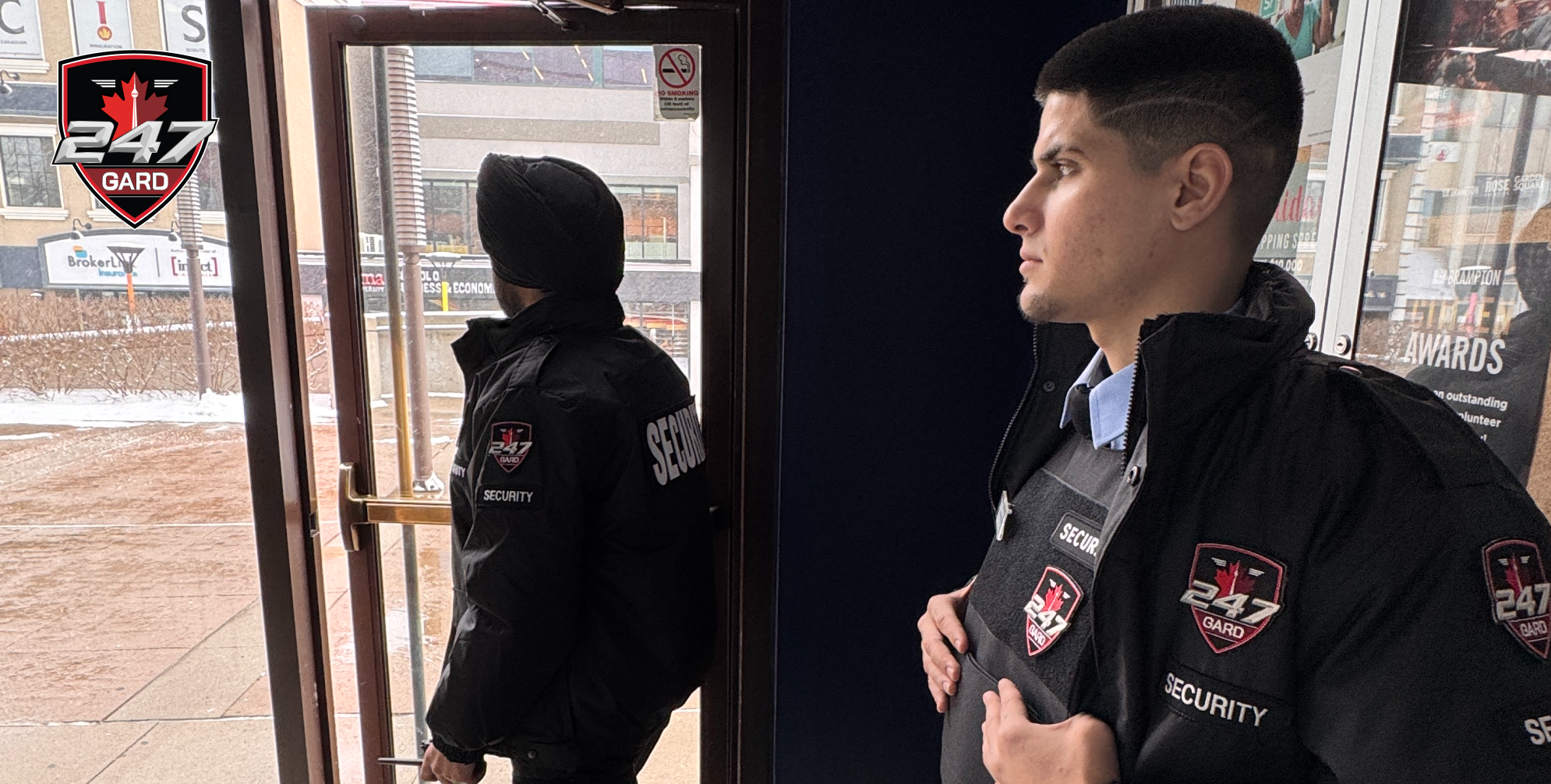
Protect children and families with Static Security Services that provide constant monitoring, controlled access, and rapid response in homes, schools, and community spaces. Contact us today to create a safer environment for everyone.
Security services don’t just react—they anticipate. With trained personnel, technology, and carefully designed safety protocols, threats can often be prevented before they even occur. This proactive approach is crucial for at-risk youth, children in busy public areas, and homes with valuable property or high visitor traffic.
Protecting Children at Home
At home, security services combine technology, physical controls, and emergency readiness to safeguard children. Key strategies include:
Access Control: Securing doors, windows, and gates prevents unauthorized entry.
Surveillance: Cameras and mirrors provide real-time monitoring for hazards or intruders.
Hazard Prevention: Childproof locks, secured furniture, and safe storage of chemicals or tools reduce accidental injuries.
Emergency Preparedness: Clear emergency plans and quick-access contacts help respond effectively to medical or security incidents.
Implementing these measures transforms the home into a safer space while giving parents peace of mind.
Safety in Schools and Community Spaces
Children spend much of their time outside the home, whether at school, parks, or recreational centers. Security services help ensure these environments are safe through:
Active Monitoring: Security personnel patrol public areas and school grounds to detect suspicious behavior.
Controlled Access: Single-entry points or monitored access help track visitors and prevent unauthorized presence.
Staff Screening: Background checks for staff and volunteers reduce the risk of abuse or neglect.
Emergency Planning: Fire drills, medical response plans, and clear evacuation procedures prepare children and staff for emergencies.
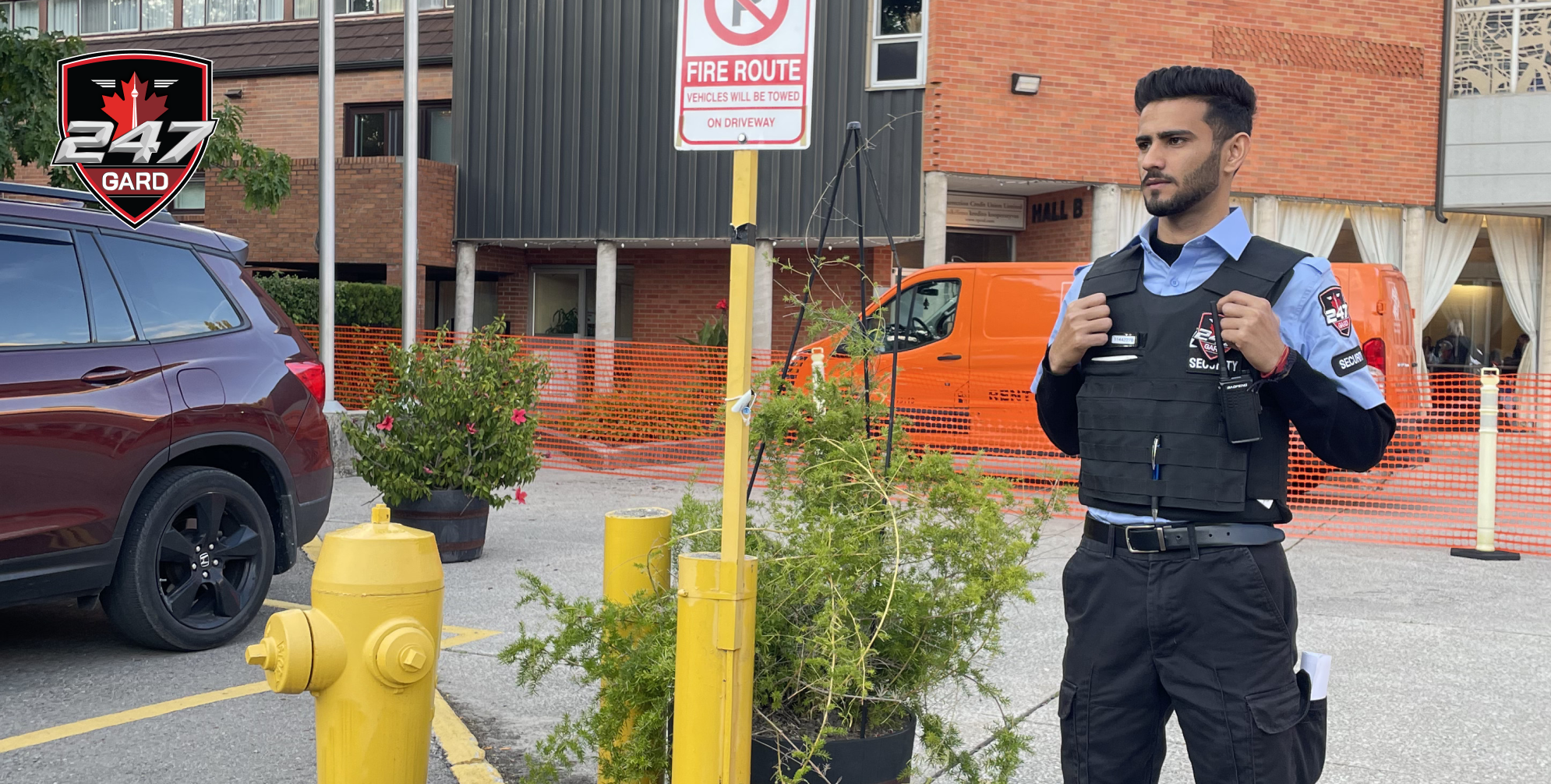
Enhance neighborhood safety with Mobile Patrols Security that actively monitor residential areas, parks, and community facilities to detect risks early and protect children and families. Schedule reliable patrol protection today.
These strategies create a protective environment where children can learn, play, and socialize without unnecessary risks.
Technology and Behavioral Safety Measures
Modern security services also leverage technology and education to enhance child protection:
Digital Safety: Monitoring internet activity and implementing filters prevent exposure to online threats.
Situational Awareness: Teaching children safety habits, like the buddy system, empowers them to act confidently in unsafe situations.
Policy Enforcement: Ensuring strict compliance with safety rules during field trips, transport, or public events adds an extra layer of protection.
By combining technology with education, security services address both physical and behavioral safety.
The Role of Child Protective Services (CPS) and Reporting
Security services often collaborate with child protective services to provide broader support. Reporting suspicious behavior, intervening in abuse cases, and following emergency child protection procedures are part of creating a holistic safety net. In Ontario, services like CPS reporting and the child safety hotline ensure timely responses to abuse or neglect.
Key benefits include:
Immediate action for at-risk youth.
Coordination with emergency child protection units.
Integration with abuse prevention programs and ongoing child welfare monitoring.
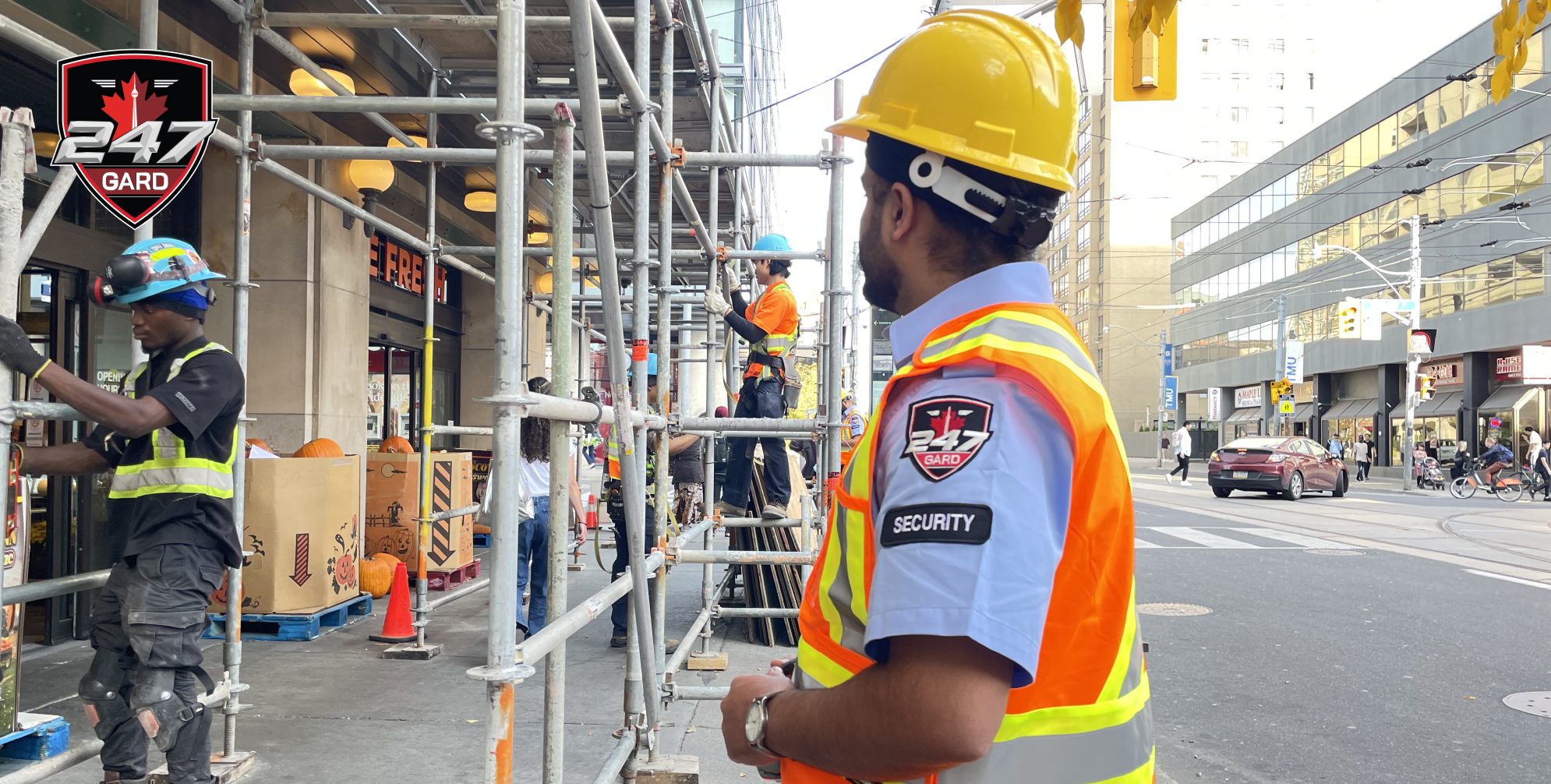
Improve safety in schools, parks, and public spaces with Foot Patrol Security that provides visible monitoring, quick incident response, and proactive protection for children and communities. Book trusted patrol services now.
Benefits of Security Services for Child Safety
Layered Protection: Combining physical, digital, and behavioral strategies creates multiple safety checkpoints.
Peace of Mind: Parents and communities feel confident knowing children are actively protected.
Prevention and Early Intervention: Continuous monitoring helps prevent incidents before they escalate.
Compliance with Regulations: Security systems help schools and childcare facilities meet legal safety requirements.
Final Thoughts
Ensuring children’s safety requires more than just vigilance—it requires systems, training, and a proactive mindset. Security services provide a structured, multi-layered approach that combines home safety, community monitoring, digital protection, and collaboration with child protective services. By investing in these measures, families and communities can create environments where children thrive safely, and everyone can have peace of mind.
Frequently Asked Questions
Security services help protect children by combining technology, trained personnel, and structured safety procedures. These measures create a protective system that reduces risks and improves emergency response.
Key ways security services support child safety include:
Home surveillance systems: Cameras and video doorbells allow parents to monitor entrances, living areas, and outdoor spaces in real time.
Access control systems: Smart locks and monitored entry points prevent unauthorized access to homes, schools, and community facilities.
Security patrols and monitoring: Guards observe public areas, parks, and school grounds to detect suspicious behavior.
Emergency response planning: Security teams coordinate evacuation plans, incident reporting, and crisis management.
Together, these solutions create a multi-layered safety strategy that protects children in their daily environments.
Parents can improve child safety at home by combining security technology, supervision, and preventive safety practices.
Important safety steps include:
Install home security systems: Smart cameras, alarms, and motion detectors monitor activity inside and outside the home.
Use smart alerts: Parents can receive smartphone notifications if doors open, alarms are disarmed, or motion is detected.
Secure dangerous items: Lock cabinets containing chemicals, medications, or tools to prevent accidental injuries.
Install safety detectors: Smoke detectors and carbon monoxide alarms provide early warnings during emergencies.
Teach safety habits: Children should learn emergency contact numbers and basic safety rules.
These strategies help create a secure home environment where children can play and grow safely.
A safe environment is essential for children’s physical protection, emotional well-being, and healthy development.
Providing secure surroundings helps by:
Reducing the risk of accidents and injuries at home or in public spaces.
Protecting children from abuse, neglect, or exploitation.
Encouraging confidence and independence because children feel protected.
Supporting healthy learning and social development.
Ensuring quick response during emergencies through prepared safety plans.
When children feel safe, they are more likely to build trust, explore new experiences, and develop important life skills.
Child Protective Services (CPS) are government or authorized agencies responsible for protecting children from abuse, neglect, and unsafe living conditions.
Their responsibilities include:
Investigating reports of child abuse or neglect.
Providing emergency protection for children at risk.
Connecting families with support programs and social services.
Monitoring child welfare cases to ensure long-term safety.
Working with law enforcement and community organizations.
CPS programs focus on preventing harm while supporting families and protecting vulnerable children.
In Ontario, reporting suspected child abuse or neglect is a legal responsibility under the Child, Youth and Family Services Act (CYFSA).
Key points about CPS reporting include:
Mandatory reporting: Anyone who suspects a child is at risk must report it immediately.
Who must report: Teachers, healthcare professionals, childcare workers, and the general public.
Where to report: Contact the local Children’s Aid Society (CAS) or call the police if there is immediate danger.
Legal protection: Individuals who report in good faith are protected from legal action.
Confidentiality rules: Professional confidentiality does not override the duty to report suspected abuse.
Prompt reporting helps authorities intervene quickly and protect children from harm.
Yes, security services play an important role in preventing abuse and strengthening safety in schools, childcare programs, and community centers.
Effective prevention strategies include:
Background checks: Staff and volunteers undergo criminal record and vulnerable sector screening.
Access control and visitor management: Entry points are monitored to prevent unauthorized access.
CCTV monitoring: Security cameras help detect suspicious activity and support investigations.
Staff safety training: Employees learn how to recognize warning signs of abuse and respond appropriately.
Emergency planning: Facilities develop evacuation plans and crisis response procedures.
When security systems, staff training, and community awareness work together, they create safer environments where children can learn, play, and grow with confidence.