How Private Security Services Complement Official Protective Bureaus for Safer Communities

- By - Jaed SS
The Importance of Layered Community Safety
Every community wants to feel safe. While public police, fire departments, and emergency services play critical roles, true safety is about preventing problems before they start.
Private security services work alongside official agencies like the Bureau of Protective Services and public police to strengthen community protection. Together, they create safer, more resilient, and better-connected neighborhoods.
Understanding the Bureau of Protective Services
The Bureau of Protective Services refers to government units responsible for protecting people, buildings, and public spaces. These services operate in:
State buildings
Government complexes
Public events
Their role includes enforcing safety regulations, detecting threats early, and reducing risks. Across different regions, similar units may go by different names, such as state security services or Capitol protection teams, but their mission remains the same: ensuring public safety.
How Private Security Supports Official Protective Teams
Private security complements, rather than replaces, public safety agencies. It adds extra support that enhances overall safety.
Extra Presence and Faster Response
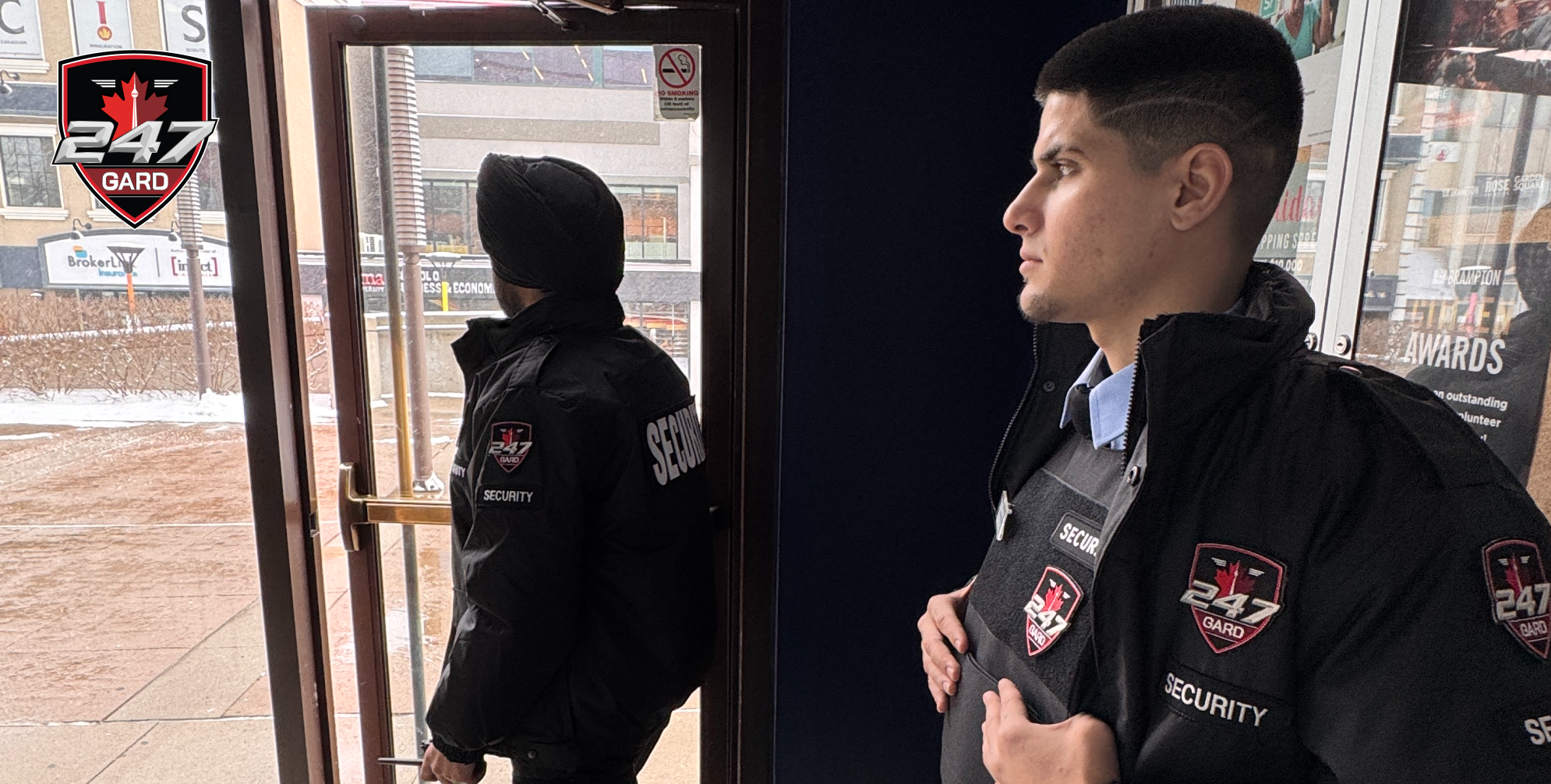
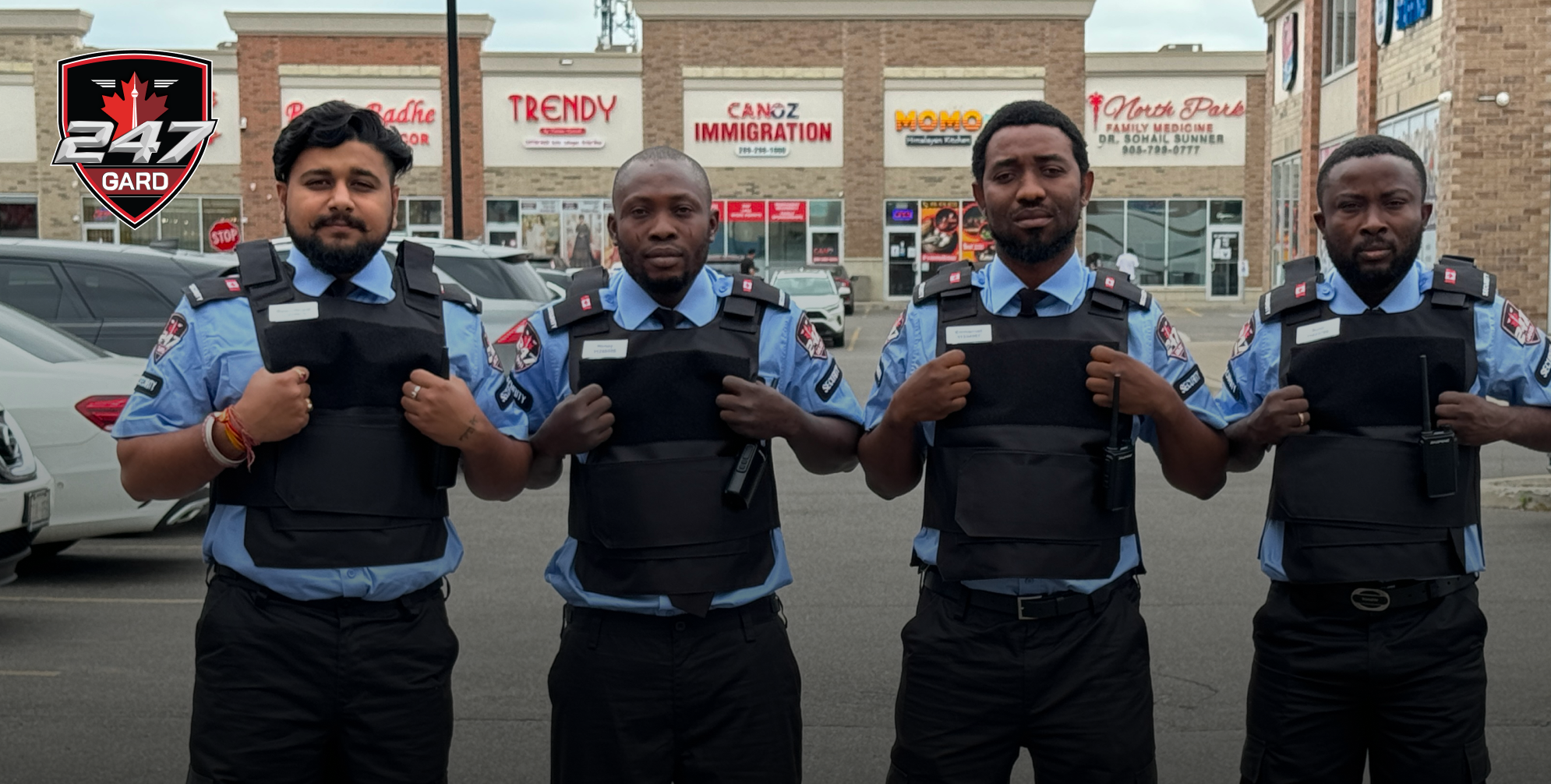
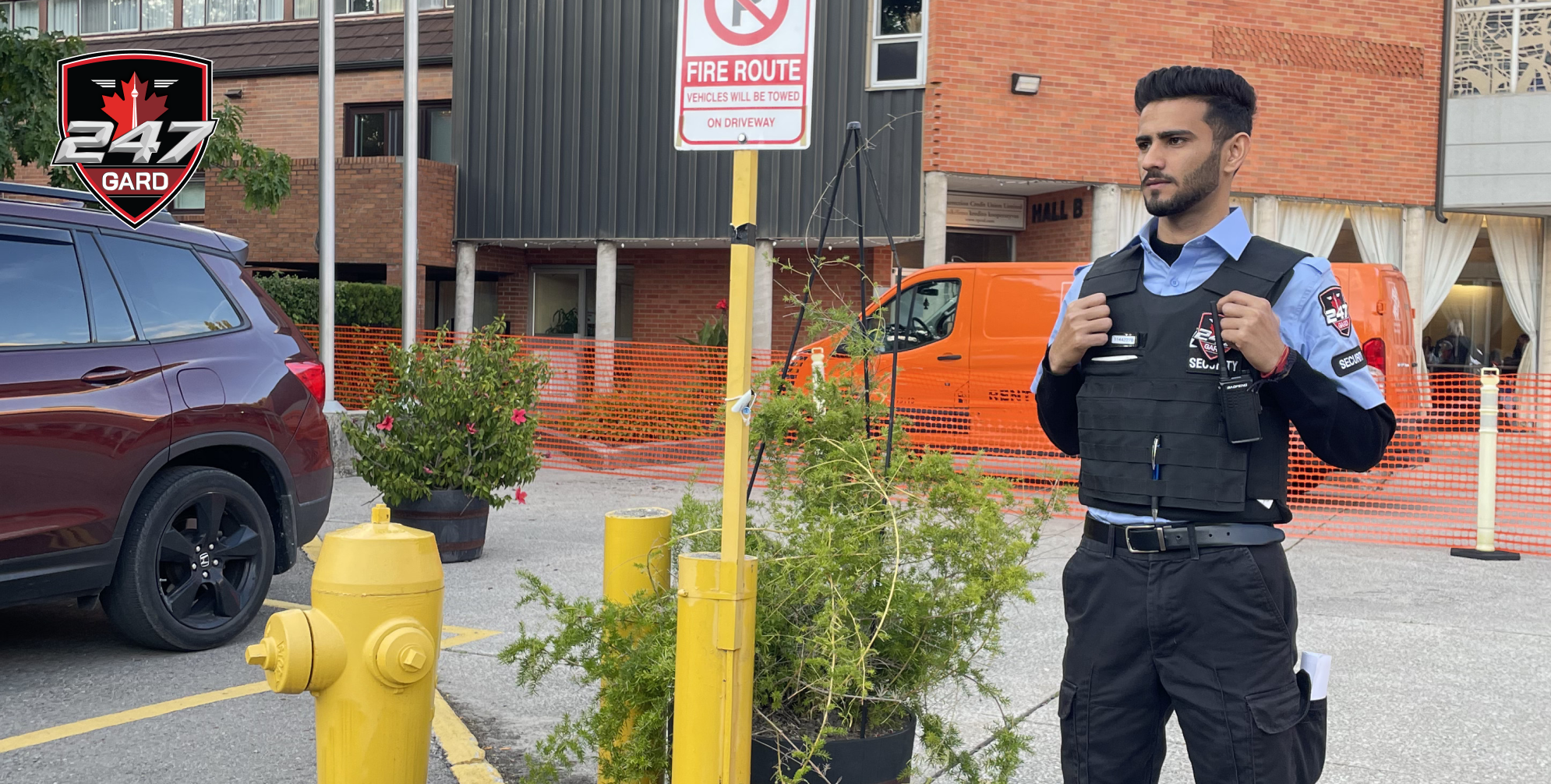
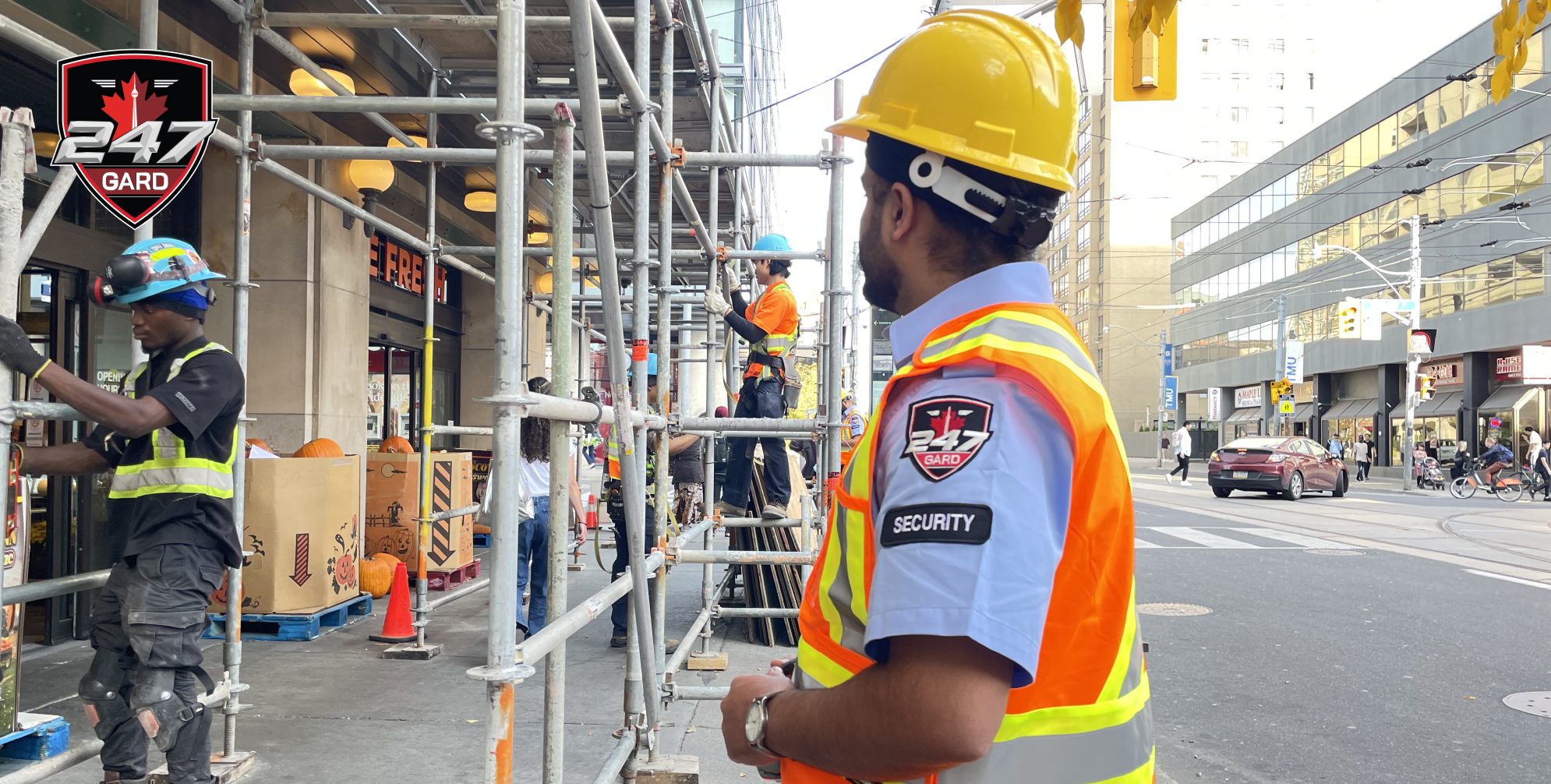
Private security increases the number of trained eyes and ears in public and private spaces. Guards patrol malls, offices, apartments, and events daily, noticing unusual activity early.
Because they are already on site, private security can respond quickly, provide basic assistance, and call law enforcement if necessary. This rapid first response bridges the gap until official teams arrive.
Focus on Prevention and Deterrence
Unlike public agencies that often respond after incidents, private security emphasizes prevention. Uniformed guards, visible patrols, and active monitoring deter potential troublemakers, addressing minor issues before they escalate.
Specialized Monitoring and Technology
Modern private security teams use advanced tools such as:
Drones for aerial surveillance
K9 units for explosives detection
Integrated CCTV and real-time video sharing with law enforcement
These technologies enhance situational awareness, giving public protective teams valuable information for faster, more informed responses.
Sharing Information to Aid Investigations
Private security collaborates with public agencies by sharing surveillance footage, incident reports, and patrol logs. This coordination accelerates investigations, improves situational awareness, and strengthens overall safety networks.
The Benefits of Public-Private Security Collaboration
When private security and official protective services work together, communities gain multiple advantages:
Lower Crime Rates: Increased monitoring, deterrence, and reporting reduce both property and violent crimes.
Peace of Mind: Residents and employees feel safer in spaces monitored by active security personnel.
Better Resource Allocation: Police can focus on serious crimes while private security handles routine safety duties efficiently.
Challenges in Collaboration
Despite benefits, collaboration has challenges:
Training Differences: Private security training can vary, potentially creating gaps in handling incidents.
Two-Tier Protection: Safety access may be uneven if private security is only available to paying clients.
Communication Needs: Effective partnerships require clear and consistent communication.
With mutual respect, defined roles, and open communication, these challenges can be managed effectively.
Public Safety as a Shared Responsibility
Community safety involves more than police and protective bureaus. Residents, business owners, private security, and public agencies all play vital roles.
The combination of official and private security ensures safer neighborhoods, workplaces, and public spaces.
Technology-Driven Private Security
Modern private security relies heavily on technology to enhance efficiency and safety:
Surveillance & Detection: AI cameras, night vision, drones, and sensors monitor threats in real time.
Access Control: Biometric systems, visitor management, and automated gates secure sensitive areas.
Communication & Coordination: Mobile apps, GPS tracking, radios, and body cameras improve accountability.
Data & Analytics: Security Operations Centers, predictive analytics, and cloud reporting enable proactive monitoring.
Robotics & Safety Devices: Security robots and wearable alert systems cover high-risk tasks and enhance protection.
How Private Patrols Support Official Investigations
Private security personnel assist investigations by:
Acting as first responders to incidents
Securing crime scenes
Documenting evidence for police use
Sharing intelligence and CCTV footage
Their proactive presence strengthens law enforcement while staying within legal limits.
Does Public-Private Collaboration Reduce Crime?
Structured partnerships between law enforcement, private security, and community organizations reduce crime by:
Targeting at-risk populations with prevention programs
Engaging youth in community initiatives
Sharing intelligence to combat crime such as cybercrime, trafficking, and opioid issues
Building community trust and promoting engagement
These collaborative approaches enhance safety without simply displacing crime to other areas.
Conclusion
Safety is a shared responsibility that requires multiple layers of protection. Private security complements official protective bureaus, creating a proactive, visible, and reliable safety network.
With organizations like 247 GARD providing continuous monitoring, rapid response, and active patrols, communities can enjoy safer streets, parks, and workplaces. When private security and official protective services collaborate effectively, everyone benefits from a stronger, more secure environment.
Frequently Asked Questions
Private security acts as a proactive force multiplier for public protective agencies such as police or the Bureau of Protective Services. Their responsibilities include:
Visible deterrence: Uniformed guards and patrols prevent crime before it occurs.
Routine monitoring: Guards patrol malls, offices, residential communities, and public events.
Rapid first response: Being already on-site allows private security to address incidents immediately and contact law enforcement if needed.
Intelligence sharing: Surveillance footage, incident reports, and patrol logs are shared with police to aid investigations.
By complementing public agencies, private security enhances situational awareness, reduces response times, and strengthens community safety without replacing official law enforcement.
No, private security cannot replace police. They do not have full legal authority such as:
Making arrests outside of citizen’s arrest laws
Conducting criminal investigations
Performing official searches
Instead, private security provides focused protection for specific properties, assets, and personnel, freeing public police to prioritize high-risk threats and serious criminal investigations. This tiered security model ensures better resource allocation and overall community safety.
Modern private security teams leverage advanced technology to enhance visibility, coordination, and prevention, including:
CCTV & AI surveillance: Real-time monitoring and automated threat detection
Drones & aerial surveillance: Cover large areas efficiently
K9 units: Explosives or narcotics detection
Access control systems: Biometric scanners, visitor management, and automated gates
Mobile apps & GPS tracking: Real-time patrol tracking and communication
Robotics & wearable alert devices: Safety coverage for high-risk tasks
Data analytics & Security Operations Centers: Predictive analytics to identify potential threats
This technology allows private security to act as an early warning system, improving the effectiveness of official protective services.
Private security supports law enforcement without overstepping legal boundaries by:
Acting as first responders to alarms, disturbances, or suspicious activity
Securing and documenting crime scenes until police arrive
Sharing intelligence and CCTV footage to aid investigations
Maintaining detailed patrol and incident logs for legal and investigative purposes
Monitoring high-risk areas proactively to prevent minor incidents from escalating
This collaborative model strengthens law enforcement efforts and ensures timely, actionable information is available for investigations.
Yes. Effective collaboration between private security, public agencies, and community organizations provides multiple benefits:
Lower crime rates: Visible presence, reporting, and monitoring reduce both property and violent crimes
Enhanced prevention: Security programs, patrols, and community engagement stop incidents before they escalate
Better resource allocation: Police focus on high-priority threats while private security handles routine safety tasks
Improved community trust: Residents and employees feel safer when multiple layers of security are in place
Shared intelligence: Coordinated information on cybercrime, trafficking, or local threats enhances proactive interventions
Structured partnerships create a layered safety system where private security complements official bureaus, leading to more resilient and safer communities.