How On-Site Security Guards Prevent Workplace Accidents and Ensure Employee Safety
- By - Jaed SS

Workplace safety is a growing priority for organizations across all industries. From construction sites and manufacturing plants to office complexes and warehouses, every environment presents potential hazards that can put employees and assets at risk. Having on-site security guards helps businesses maintain control, prevent accidents, and ensure that operations comply with all workplace safety standards.
These professionals monitor surroundings, identify hazards, and react quickly to emergencies, reducing both physical injuries and financial losses. Their duties extend beyond access control — they are trained to support occupational health and safety, enforce security guard safety protocols, and maintain order in fast-paced work environments. By combining vigilance with professional expertise, security guards enhance employee safety and help businesses achieve a proactive safety culture.
Why On-Site Security Guards Are Essential for Employee Safety
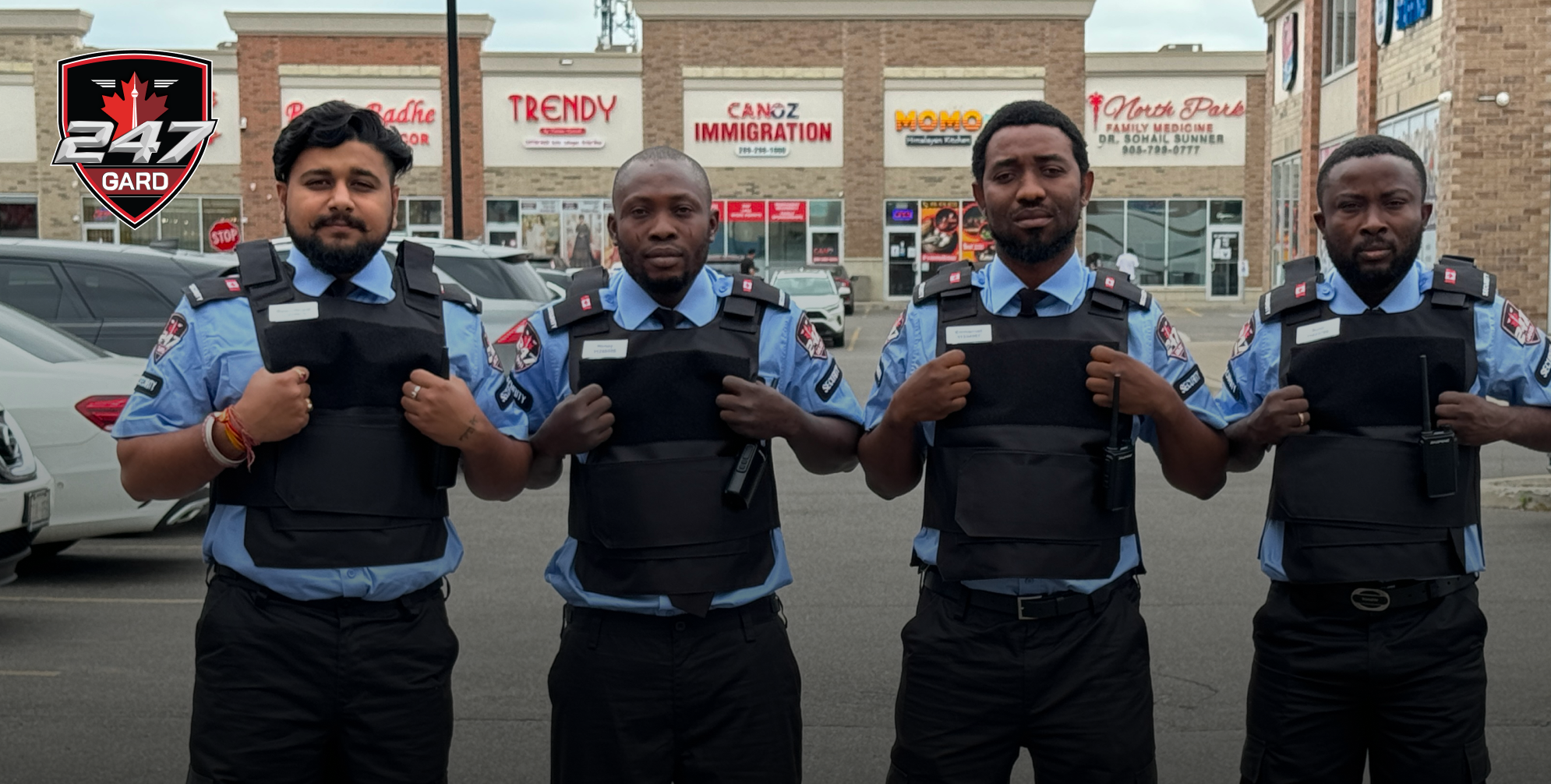
Modern workplaces require constant attention to safety details. On-site security guards act as the first responders to emergencies and the first line of defense against hazards. They detect unsafe conditions, assist in evacuations, and monitor employee movement to ensure that everyone adheres to employee safety measures and organizational rules.
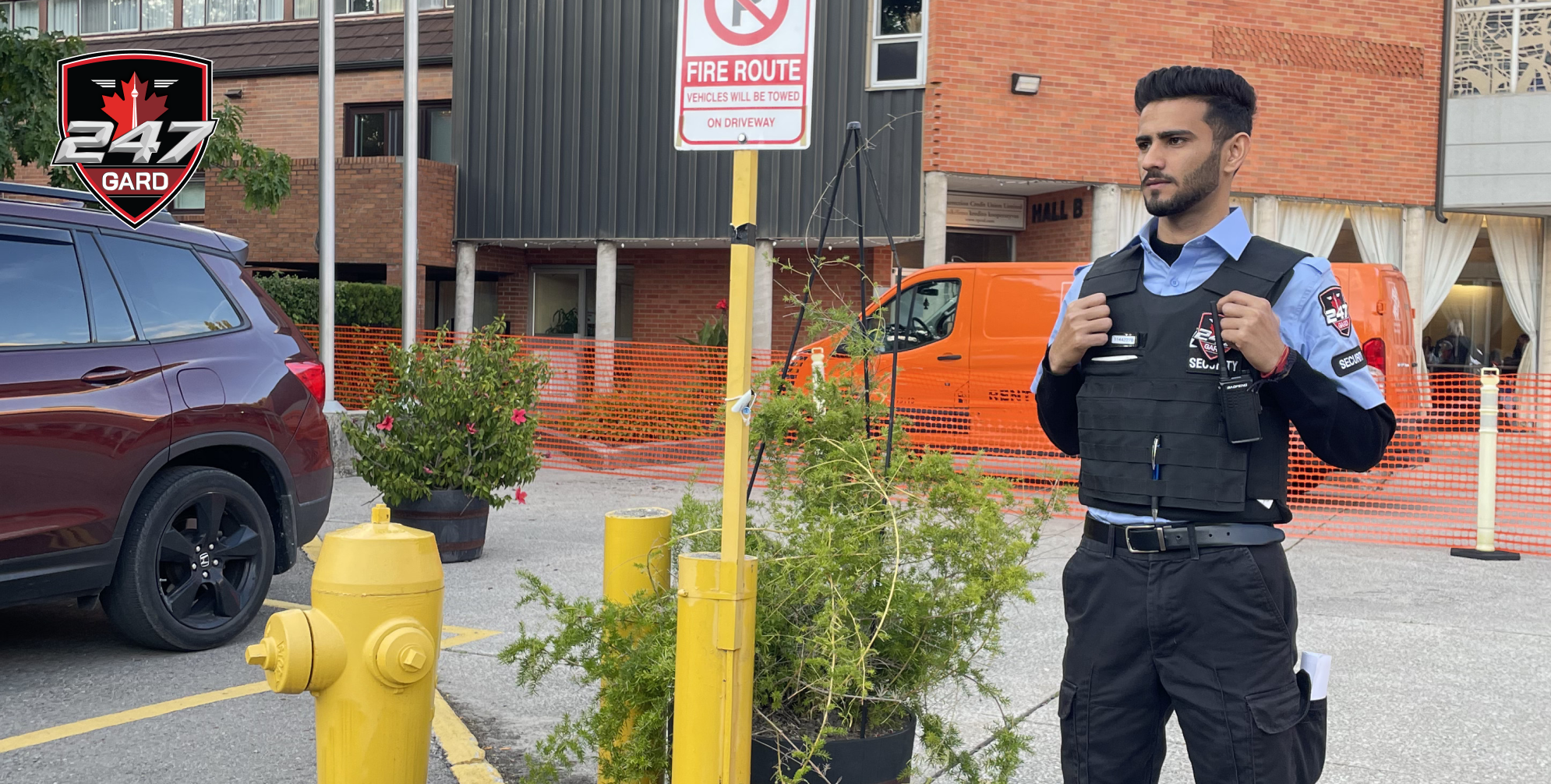
Accident prevention begins with awareness. Security guards patrol high-traffic zones, machinery areas, and loading docks to identify spills, blocked exits, or equipment malfunctions that could lead to injuries. In office environments, they maintain crowd control during events, monitor visitor access, and support medical assistance in emergencies.
Industries with higher risk levels — such as logistics, healthcare, energy, and construction — rely heavily on trained guards who understand accident prevention strategies. These officers are skilled in hazard identification and communication, ensuring that threats are reported immediately and addressed effectively. For organizations committed to workplace safety, security guards serve as both a protective presence and an operational support system that safeguards every employee.
Key Responsibilities of On-Site Security Guards
The daily responsibilities of on-site security officers go far beyond observation. Their work revolves around prevention, rapid response, and coordination with management to keep every area of the facility safe.
One of their most important duties is continuous surveillance. Guards patrol the premises, ensuring exits, stairwells, and corridors remain free of obstructions. During these patrols, they identify potential risks such as exposed wiring, slippery floors, or malfunctioning equipment. Through constant presence and situational awareness, they minimize hazards before they become incidents.
Security officers also follow strict security guard safety protocols that include safety inspections, alarm checks, and reporting irregularities. They often participate in industrial safety management meetings, sharing valuable insights about recurring risks. Additionally, they inspect fire extinguishers, emergency lights, and CCTV systems, ensuring all safety infrastructure functions properly.
Another crucial responsibility involves emergency response planning. Security guards conduct evacuation drills, coordinate with first responders, and maintain calm during critical situations. They also document every event in detailed incident reports, which help companies improve internal safety strategies.
Many modern workplaces now rely on technology-driven solutions. Guards trained in digital monitoring systems use access control software, motion detectors, and smart surveillance cameras to prevent unauthorized entry or theft. Their expertise in hazard prevention and risk communication ensures that businesses not only comply with regulations but also maintain a culture of safety that protects employees and assets alike.
Benefits of Having On-Site Security Guards in Workplaces
Hiring professional security personnel provides both operational and psychological benefits for employees. A consistent on-site security service presence significantly reduces workplace accidents by maintaining constant monitoring and enforcing compliance. This creates a safe and confident environment that enhances employee morale and overall productivity.
The presence of trained guards demonstrates management’s commitment to employee safety, encouraging staff to follow proper procedures. In turn, this reduces absenteeism, medical claims, and liability issues related to workplace injuries.
Compliance with local and national safety standards is another critical advantage. Trained guards ensure businesses meet occupational health and safety regulations, which can lower insurance premiums and minimize legal exposure. Insurers view companies with certified corporate security services as low-risk clients, often offering better policy terms as a result.
The impact of professional commercial security services extends across industries. In corporate offices, guards protect restricted areas, monitor visitor access, and ensure swift evacuation in emergencies. At manufacturing plants, they inspect machinery zones, enforce protective gear rules, and coordinate emergency responses. In construction sites, they prevent unauthorized entry, monitor heavy equipment operations, and handle accident response. Across all sectors, security guards protect both people and physical assets, ensuring uninterrupted operations and peace of mind for business owners.
Industry-Wise Application of On-Site Security Guards
1. Construction and Industrial Sites
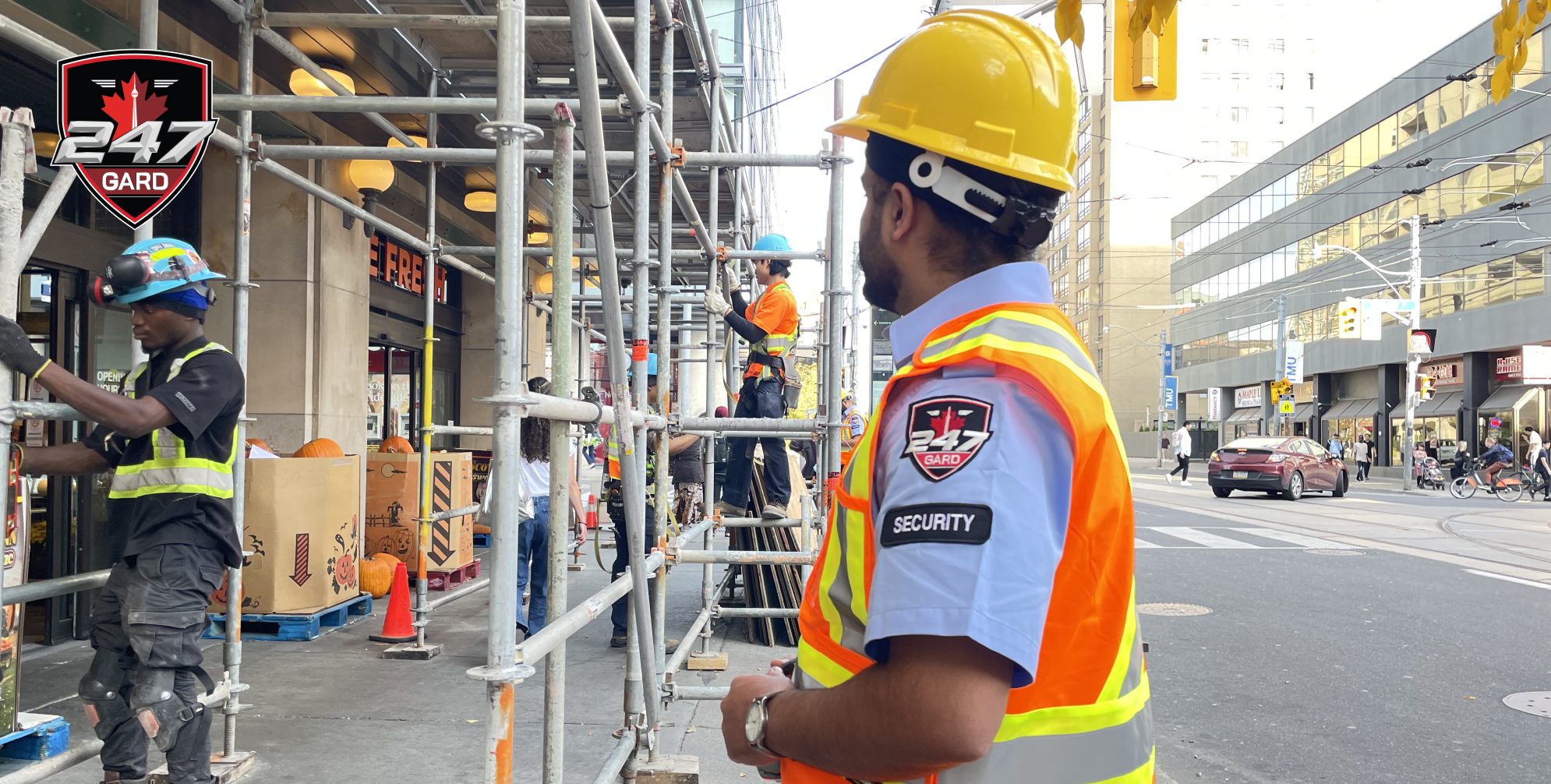
Security guards on construction projects play a vital role in controlling access, securing valuable equipment, and enforcing workplace safety measures. They patrol hazardous zones, check compliance with helmet and vest requirements, and manage traffic movement within work areas. Guards also monitor for unsafe activities like improper equipment use or unsecured materials, reducing the risk of falls and injuries.
2. Corporate Offices and Commercial Buildings
In office environments, guards maintain employee safety by monitoring entrances, assisting during fire drills, and ensuring emergency exits remain unobstructed. They also handle visitor verification and prevent unauthorized access to confidential areas, protecting sensitive data and assets.
3. Warehouses and Logistics Centers
At warehouses, on-site security guards manage loading docks and oversee the movement of goods. They verify delivery records, monitor forklifts and heavy vehicles, and prevent property damage caused by unsafe handling or equipment misuse.
4. Healthcare Facilities and Educational Institutions
Hospitals and schools depend on trained guards to protect staff and visitors from external threats while ensuring that safety procedures are followed during emergencies. In these settings, guards are often trained in emergency response planning and first aid, ensuring a calm and efficient reaction to incidents.
This versatility highlights why professional guards are vital across sectors — they adapt to each environment’s unique risks while upholding consistent security guard safety protocols.
Regional Availability and Hiring Tips
Businesses across Canada and the United States can easily access certified on-site security guards through professional staffing agencies. When selecting a provider, organizations should prioritize regional expertise and proven experience.
In Toronto and Ontario, companies often look for guards familiar with local building codes, safety inspections, and workplace legislation. Hiring security guards in Ontario ensures that teams can handle both corporate and industrial sites while complying with provincial regulations.
In Western Canada, corporate security in Vancouver focuses on asset protection, crowd control, and property monitoring across high-traffic commercial centers. Businesses in the United States seeking industrial security USA solutions can benefit from agencies specializing in manufacturing or logistics safety.
Before signing a contract, employers should confirm certifications, insurance coverage, and background screening. Trained guards should possess knowledge of first aid, conflict de-escalation, and hazard management. Partnering with a reliable provider like 247 Gard guarantees professional conduct, continuous supervision, and high standards of corporate security services tailored to each industry’s needs.
Take Action: Strengthen Your Workplace Safety with 247 Gard’s On-Site Security Experts
A safe workplace is not built by policies alone — it depends on consistent, professional oversight. Trained on-site security guards serve as the foundation of a secure and productive environment. They prevent accidents, enforce safety regulations, and maintain order through vigilance and experience.
Organizations that prioritize employee safety gain more than compliance; they build trust and reliability across their teams. With the expertise of 247 Gard, businesses benefit from a customized security approach designed to meet operational goals and industry requirements.
Now is the time to take a proactive stance on safety. Whether you operate in manufacturing, corporate offices, or industrial zones, having trained guards on-site ensures protection, readiness, and peace of mind.
Partner with 247 Gard today to reinforce your workplace safety strategy. Our team of certified professionals is ready to help your organization prevent accidents, enhance compliance, and protect what matters most — your people and your business.
Frequently Asked Questions
They protect employees and property by monitoring activities, enforcing workplace safety policies, and responding to emergencies.
They identify risks early, conduct inspections, and apply security guard safety protocols that minimize exposure to hazards.
Construction, logistics, healthcare, manufacturing, and corporate offices benefit most from continuous security presence.
They execute evacuation procedures, coordinate with emergency responders, and ensure staff follow safety routes and communication protocols.
Choose agencies that provide trained, licensed guards with experience in employee safety and corporate security services, such as 247 Gard.