How Security Services Can Help Protect Vulnerable Adults in Homes and Communities

- By - Jaed SS
Ensuring the safety of vulnerable adults is a growing priority in communities across Ontario and beyond. Seniors, people with disabilities, and individuals living independently can face threats ranging from abuse and neglect to scams and accidents. Security services play a vital role in creating safer environments, combining physical presence, technology, and community-focused strategies to protect those at risk.
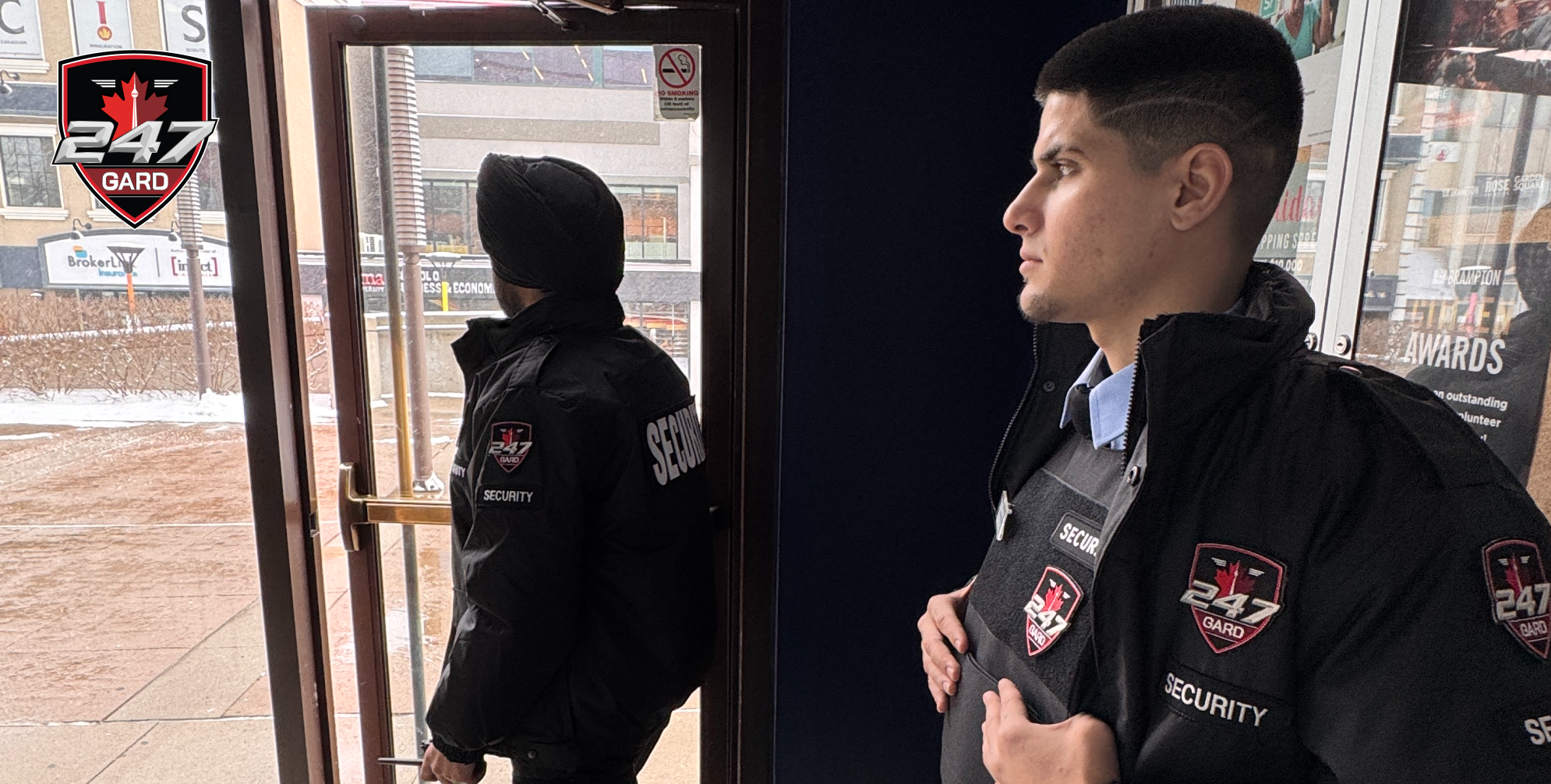
Ensure vulnerable adults stay safe with Concierge Security Services providing personalized monitoring, visitor screening, and immediate emergency support in homes, retirement residences, and community spaces.
The Primary Responsibility of Security Operatives
At the heart of protecting vulnerable adults is the security operative’s duty to ensure safety, prevent harm, and provide rapid assistance when emergencies occur. Security personnel act as the first line of defense, monitoring for potential risks, controlling access, and responding promptly to incidents. Their work goes beyond just watching a building—they provide peace of mind for both the individuals under their care and their families.
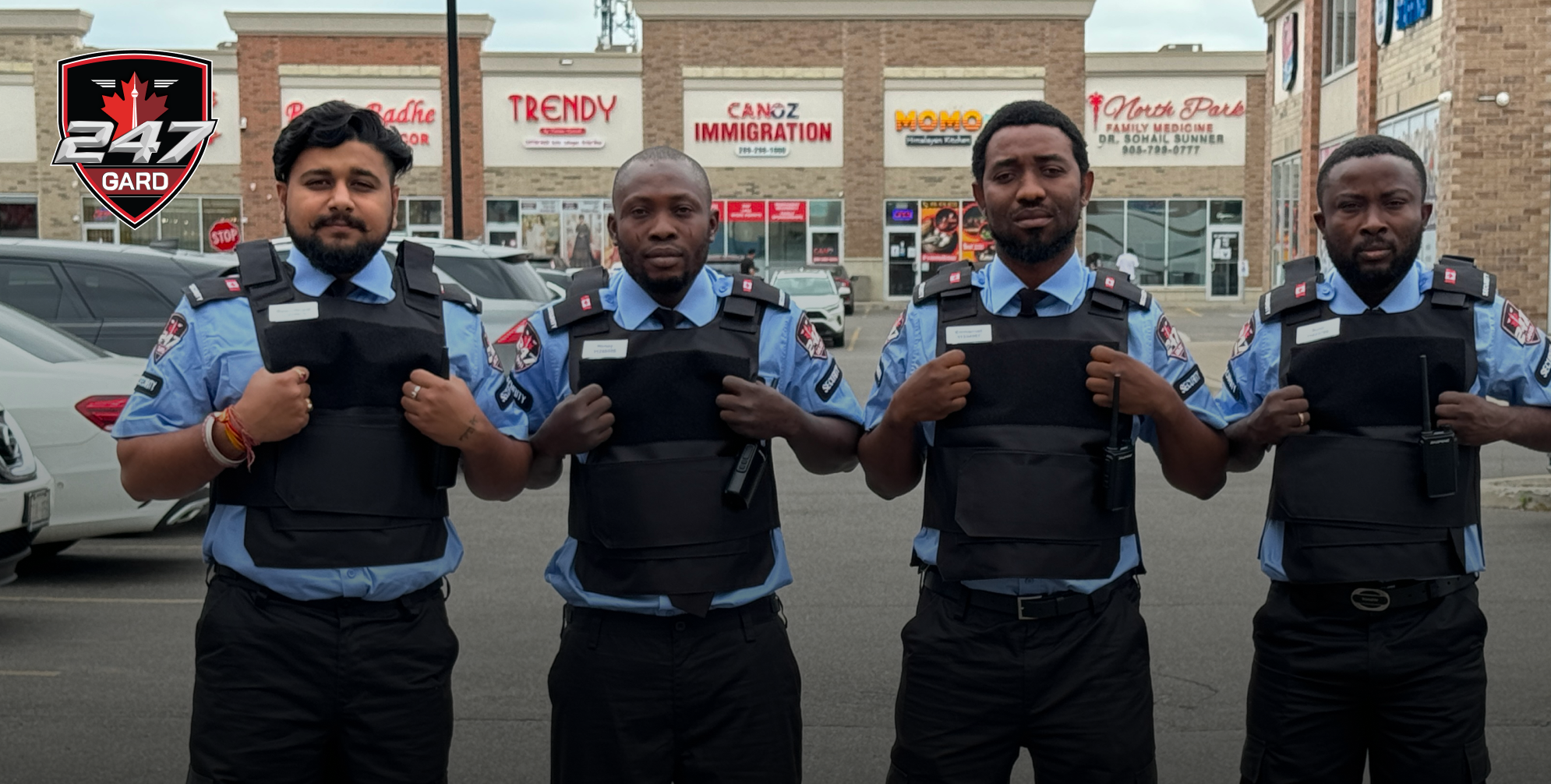
Protect seniors and at-risk adults with Elite Suit and Tie Security offering professional, discreet, and highly trained guards to monitor homes and community spaces while ensuring rapid response to emergencies.
Whether in a private home, retirement residence, or social housing, security operatives focus on proactive measures. This includes preventing abuse, deterring theft, and reducing the risk of accidents such as falls. The combination of vigilance, quick action, and compassionate care ensures that vulnerable adults can live independently while staying safe.
Enhanced In-Home Protection and Safety
Protecting adults in their own homes starts with smart, practical security solutions. Modern systems make it possible to monitor homes without intruding on privacy.
Smart Home Security Solutions: Simple alarm systems with wearable panic buttons and voice-activated commands can connect instantly to emergency services. Families can be alerted in real-time if something seems off.
Remote Monitoring & Surveillance: Cameras with motion detection or night vision let relatives or caregivers check in from anywhere, providing reassurance that loved ones are safe.
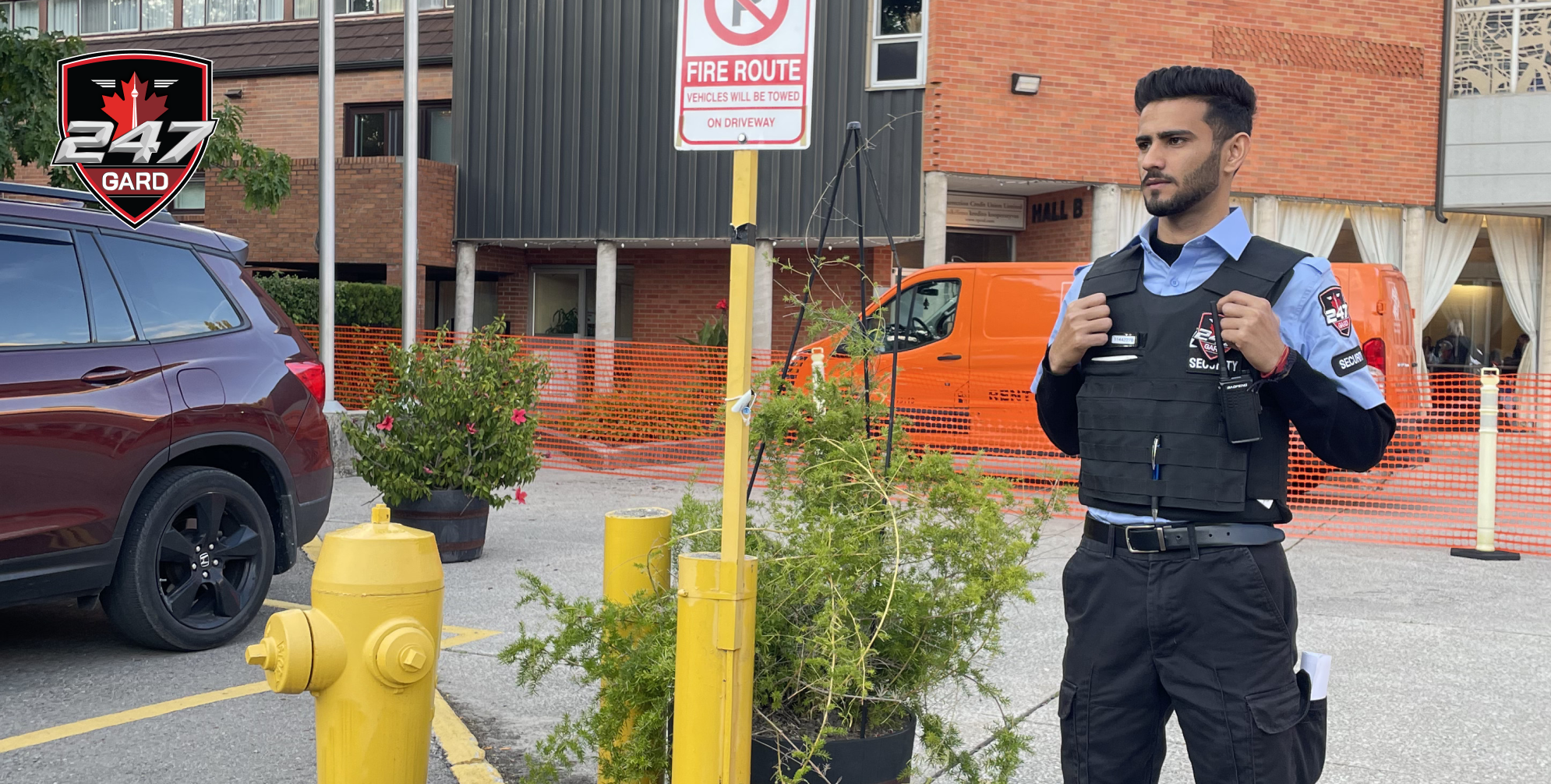
Enhance safety in neighborhoods, retirement communities, and public areas with Mobile Patrols Security, offering regular monitoring, quick incident response, and proactive protection for at-risk adults.
Access Control: Video doorbells and smart locks prevent unauthorized entry. They also reduce the risk of common scams targeting seniors.
Environmental & Health Monitoring: Sensors can detect falls, smoke, carbon monoxide, or even track if medications are being taken, sending alerts to caregivers if needed.
By combining technology with human oversight, security services make the home safer without reducing independence.
On-Site Security in Communities and Residences
Beyond homes, many adults live in retirement communities, condos, or social housing, where on-site security staff play a crucial role.
Uniformed Security Guards: Stationed at entrances, guards verify visitors, deter intruders, and monitor the property for suspicious activity.
Active Patrols: Foot or vehicle patrols ensure consistent presence, helping residents feel safe and supported.
Wandering Prevention: Seniors with dementia or Alzheimer’s may wander. Trained staff can intervene and guide them back safely.
Emergency Response: Guards are often the first to respond to medical incidents, fires, or security threats, bridging the gap until emergency services arrive.
Security personnel in these settings are not just monitors—they are caretakers who combine vigilance with compassion.
Community-Based Support and Surveillance
Safety is stronger when it extends into the community. Security services work alongside local organizations to support adults who live alone or are at risk.
Telephone Reassurance & Security Checks: Scheduled calls or visits provide consistent oversight, helping detect early signs of danger or distress.
Vulnerable Person Registry: Police and emergency services can quickly access critical information about residents, enabling faster, more informed responses.
Concierge & Community Staff: On-site personnel build relationships with residents, recognizing unusual patterns or changes in daily routines that might signal risk.
By creating a network of human and technological oversight, security services ensure that vulnerable adults are never truly alone.
Specialized Protection Against Abuse and Neglect
Abuse—whether physical, emotional, or financial—is a real concern for many adults. Adult Protective Services (APS) provide a framework to respond to these threats while maintaining dignity and independence.
APS and Reporting Services: Programs such as the Seniors Safety Line in Ontario allow individuals or families to report abuse, ensuring timely investigations and interventions.
Safety Planning: Security experts collaborate with adults to create personalized safety plans, addressing specific risks and helping them feel in control.
Protection in Care Facilities: Facilities enforce criminal record checks for staff and clear procedures for reporting abuse, ensuring those entrusted with care are qualified and accountable.
This layered approach—from monitoring to legal reporting—ensures adults receive both immediate protection and long-term support.
Benefits of Security Services for Vulnerable Adults
Security services offer more than protection—they provide peace of mind, independence, and confidence.
Peace of Mind for Families: Knowing a trained professional is monitoring your loved ones reduces anxiety.
Reduced Caregiver Burnout: Families can rely on security personnel for overnight monitoring or patrols, lowering stress.
Customized Solutions: Services can be tailored to individual needs, whether someone lives in a single-family home, apartment, or retirement community.
Enhanced Community Safety: By combining home security with public safety programs, the risk of abuse, scams, or accidents is greatly reduced.
Ultimately, security services allow vulnerable adults to live independently while staying safe.
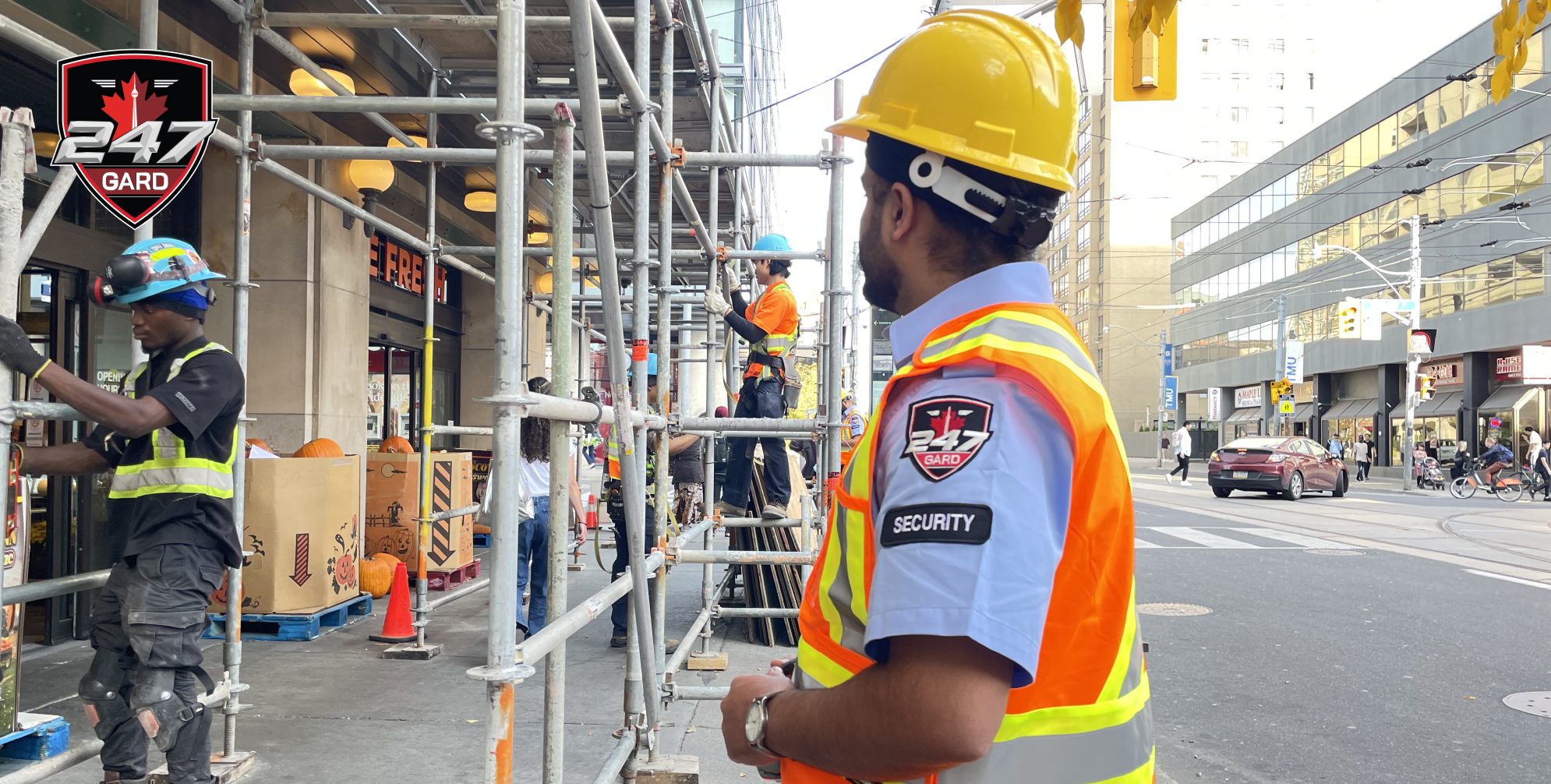
Make community events safer for vulnerable adults with Event Security Services, including access control, trained staff monitoring, and emergency readiness to prevent accidents, abuse, or scams.
How to Provide Security in the Community
Communities benefit when security is proactive and collaborative. Local agencies, volunteers, and security providers work together to:
Monitor public spaces frequented by seniors and at-risk adults.
Educate residents about online safety, scams, and personal security.
Implement safe reporting systems for abuse or neglect.
Conduct risk assessments and safety audits for homes, parks, and community centers.
This comprehensive approach ensures that adults are protected wherever they live, work, or socialize.
The Role of Security Guards in the Community
Security guards are not only enforcers—they are trusted allies in adult safety. Their responsibilities include:
Monitoring for suspicious activity and unauthorized access.
Providing immediate assistance during emergencies.
Supporting APS case management by documenting incidents and reporting concerns.
Educating residents about safety measures, both in-person and digitally.
In essence, security guards bridge the gap between vulnerable adults and emergency response teams, helping maintain safe, independent living.
Conclusion
Protecting vulnerable adults requires a layered, human-focused approach. Security services combine technology, trained personnel, and community-based programs to safeguard seniors and at-risk adults. From in-home alarms and remote monitoring to APS support and community patrols, these measures ensure adults can maintain independence while living securely.
Families, caregivers, and communities all benefit when security professionals, law enforcement, and support agencies work together to prevent abuse, reduce risk, and respond effectively to emergencies. By integrating these systems, Ontario residents can feel confident that vulnerable adults are safe, supported, and empowered.
Frequently Asked Questions
The primary responsibility of a security operative toward vulnerable individuals is to protect them from harm by ensuring their safety and acting with a strong duty of care when they may be at risk.
Key aspects include:
Duty of Care: Maintaining a safe environment and reducing potential risks.
Identification and Intervention: Recognizing signs of vulnerability and responding appropriately.
Support and Assistance: Helping individuals find support, safe transport, or emergency help if needed.
Reporting and Documentation: Reporting concerns to supervisors or authorities and keeping clear records.
Professional Conduct: Treating everyone with respect, dignity, and a calm, supportive approach.
Vulnerable individuals may include children, young people under 18, people with disabilities, or those affected by alcohol or drugs.
Security services offer essential protection for people, property, and assets while ensuring peace of mind. Key benefits include:
Crime Deterrence: Trained personnel prevent theft, vandalism, and trespassing.
Rapid Emergency Response: Staff handles medical, fire, or security emergencies until authorities arrive.
Safety for People: Protect employees, customers, and visitors, creating a secure environment.
Asset Protection: Safeguard property, inventory, and sensitive information from loss or damage.
Peace of Mind: On-site professionals allow staff and owners to focus on work without worry.
Conflict Management: Guards handle disputes and unruly behavior professionally.
24/7 Monitoring: Continuous surveillance ensures round-the-clock security.
Customized Plans: Security can be tailored to patrols, access control, or event coverage to meet specific needs.
Providing community security requires a mix of resident involvement, technology, and collaboration with law enforcement. Effective strategies include:
Neighborhood Watches: Residents monitor and report suspicious activity.
Physical Security Enhancements: Install cameras, secure doors, improve lighting, and use motion sensors to deter crime.
Technology Use: Share alerts via apps, social media, or community safety platforms.
Police Partnerships: Work with local officers through meetings, shared patrols, and information exchange.
Safety Training: Educate residents on spotting risks and responding to emergencies.
Funding Support: Programs like the Canada Community Security Program help upgrade safety in public spaces.
Security guards serve as frontline protectors of community safety, safeguarding people and property through visible patrols, access control, and rapid emergency response.
Key roles include:
Patrols & Deterrence: Regular foot or vehicle rounds prevent theft, vandalism, and trespassing.
Access Control: Monitoring entry points to ensure only authorized individuals enter.
Emergency Response: Acting as first responders during medical incidents, fires, or security threats.
Reporting & Surveillance: Using cameras, identifying hazards, and keeping detailed activity logs.
Community Engagement: Providing a reassuring presence to residents and visitors.
Guards operate under legal frameworks like Ontario’s Private Security and Investigative Services Act to maintain safe, orderly environments.
Security services, combined with APS programs, help prevent abuse through:
Staff Screening: Criminal background and vulnerable sector checks.
Monitoring & Patrols: Regular observation in homes, residences, and public spaces.
Emergency Protocols: Quick intervention when risks or incidents are detected.
Education & Awareness: Teaching residents to recognize scams, online threats, or unsafe situations.
Reporting Systems: Coordinating with authorities to ensure timely intervention.
By integrating technology and human oversight, security services provide:
Remote Monitoring: Cameras, motion detectors, and health sensors track safety in real time.
Emergency Alerts: Panic buttons and automated notifications connect adults to caregivers or authorities instantly.
Community Programs: Concierge staff and check-in calls reduce isolation and detect early signs of risk.
Personalized Safety Plans: Security experts help adults live independently while mitigating hazards.
This approach ensures vulnerable adults remain safe, supported, and empowered in both homes and communities.